U.S. Cities Where Homes Sell the Fastest
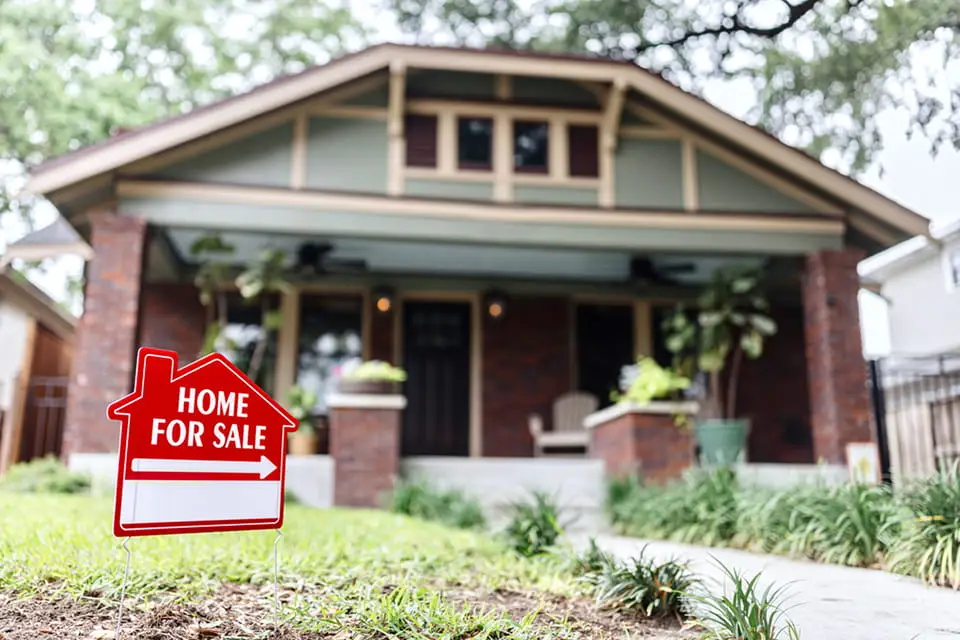
In some U.S. cities, homes are selling much faster, from listing to contract, than the national average, sometimes going under contract in just a few days. The speed of a home sale is typically measured by "days on market", the number of days a property remains listed before it enters a pending sale. A low DOM signals a high-demand, competitive market, where buyers may need to act quickly, while a higher DOM may indicate slower sales and more negotiation flexibility.
DOM is a useful indicator of real estate activities. Homes that sell quickly usually signal desirable locations, good amenities, and market conditions that favor sellers.
What Does "Fastest-Selling" Housing Market Actually Mean?
The fastest-selling housing market is one where homes move from listing to pending sale unusually quickly, often in days rather than weeks. The main way this is measured is through days on market (DOM), which tells you how long a typical home stays available before a buyer makes an accepted offer.
In these markets, strong demand, limited inventory, or a highly desirable location push buyers to act quickly, sometimes leading them to make offers the same day a home is listed. This usually reflects a seller's market, where sellers have more negotiating power, prices may rise faster, and buyers face stiffer competition.
In contrast, markets with longer DOM tend to favor buyers. Homes stay available longer, sellers may be more flexible on price or contingencies, and buyers have time to compare options.
For homebuyers, a fast-moving market can feel stressful because decisions must be made quickly, and bidding wars are more common. For sellers, it can be beneficial; they're more likely to receive strong offers, usually above the asking price, and may be able to close faster.
Why Do Homes Sell So Quickly in Some Cities?
Homes sell faster in certain cities due to a combination of factors.
- Strong Buyer Demand: Cities with growing populations, desirable amenities, or job opportunities attract more buyers, increasing competition and reducing the days on market.
- Limited Inventory: When fewer homes are available for sale, buyers typically compete for the same properties, leading to homes selling quickly regardless of price.
- Affordability and Value: Fast sales don't always mean high prices; homes that are reasonably priced for the area or offer good value compared to local income levels can sell faster than either the cheapest or the most expensive listings.
- Economic and Lifestyle Factors: Low mortgage rates, proximity to employment centers, schools, or recreational amenities, and even local culture can drive faster sales.
- Market Perceptions: If buyers expect prices to rise or anticipate bidding wars, they may act quickly to secure a property, speeding up sales.
However, fast sales do not necessarily mean the homes are the most expensive or the cheapest. Usually, it reflects a balance between buyer interest and what buyers can reasonably afford. Cities with growing job markets, moderate prices relative to income, or attractive lifestyle factors can see homes sell rapidly, even if they are not luxury properties.
U.S. Cities Where Homes Are Selling the Fastest
Here are several cities across the United States where homes are currently selling quickly, usually faster than the national average.
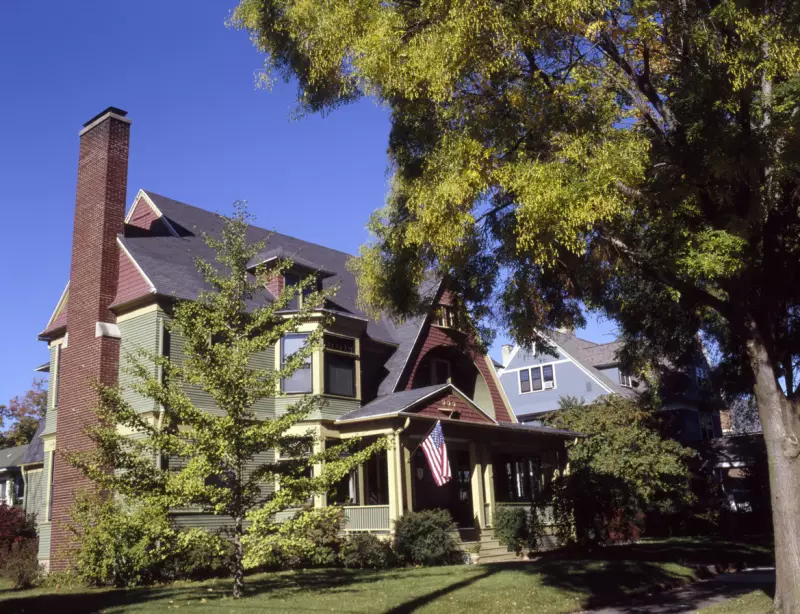
- Grand Rapids, MI: Homes sell really fast in Grand Rapids, with homes sitting on the market for about 13 days. The market is driven by a growing local economy and affordable housing compared with major coastal metros.
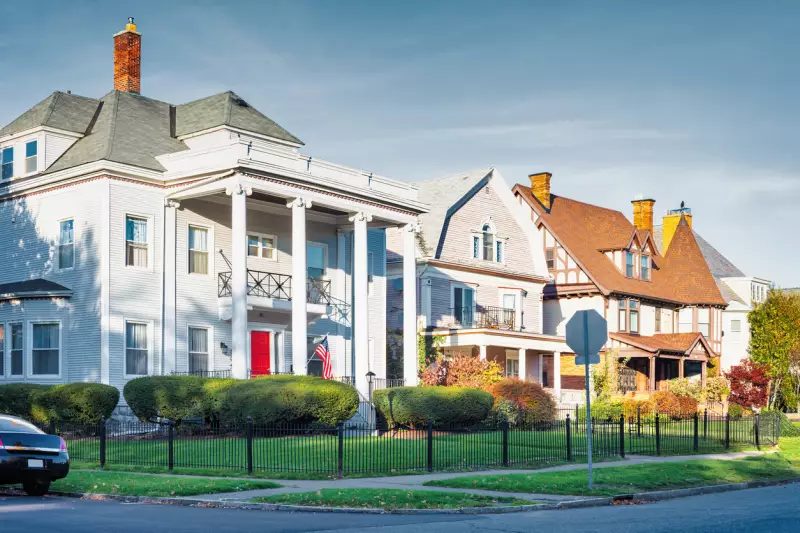
- Buffalo, NY: It takes about 21 days for a home to go under contract in Buffalo. Homes are selling fast in this city due to the lower cost of housing, plus demand from buyers priced out of more expensive coastal markets.
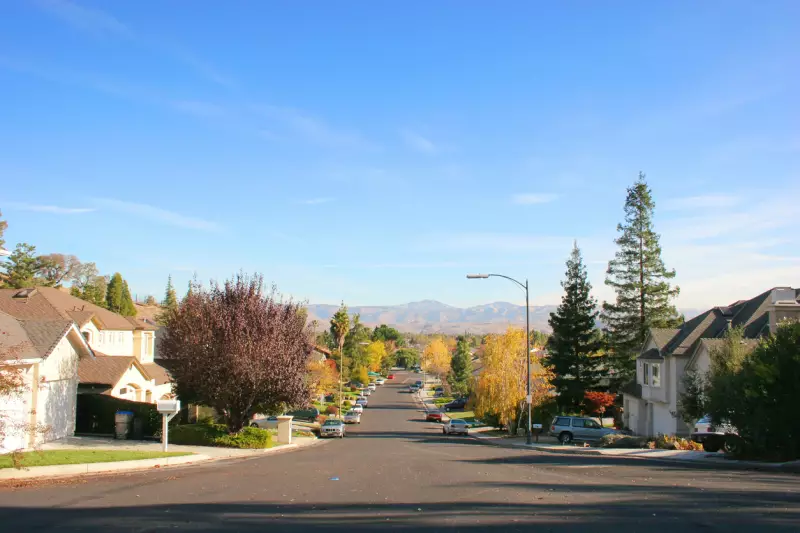
- San Jose, CA: San Jose experiences extremely high demand for real estate due to a booming tech industry and limited supply of inventory. Although the market is pricey and competitive, homes sell within 16 days.
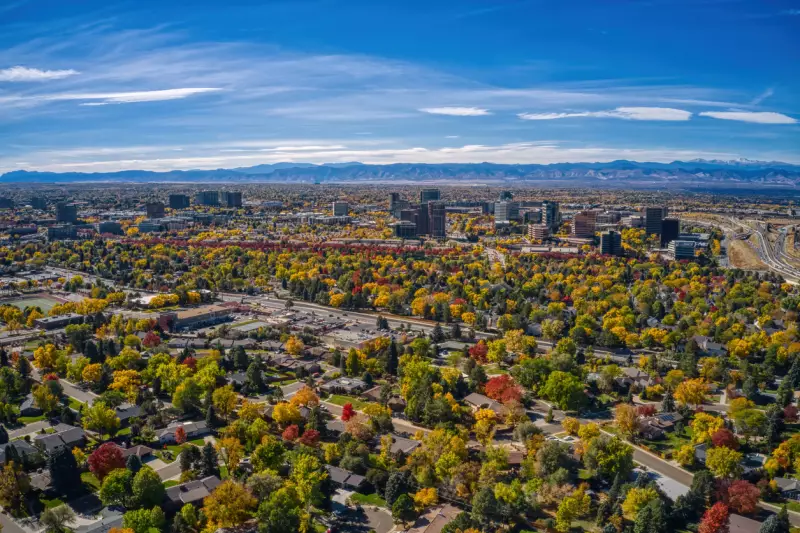
- Aurora, CO: The median days on market for properties in Aurora is 5 days, with over 80% of homes selling within 2 weeks. This pace is driven by its relative affordability compared to nearby Denver and sustained demand from buyers seeking value.
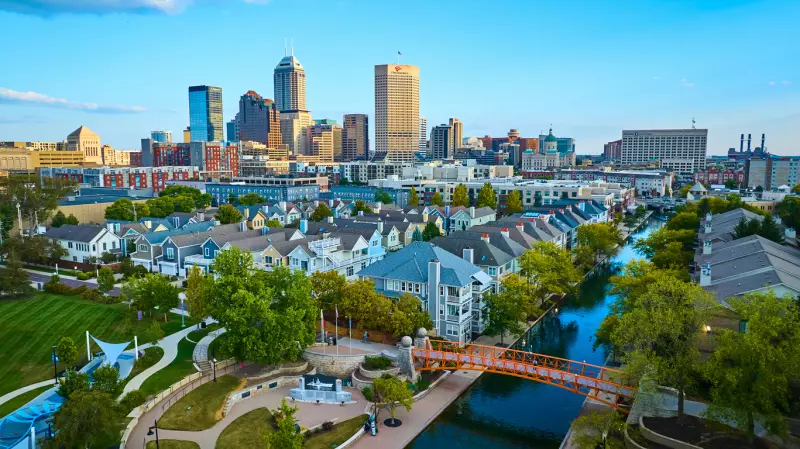
- Indianapolis, IN: Houses stay on the market for around 6 days. Low-to-mid home prices and a broad, steady buyer base seeking value make the Indianapolis housing market fast-paced.

- Omaha, NE: Omaha offers a steady, growing local economy with consistent demand from first-time and move-up buyers. Additionally, a median DOM of 6 days, coupled with high demand from remote workers and second-home owners, has made the city one of the fastest-selling real estate markets.
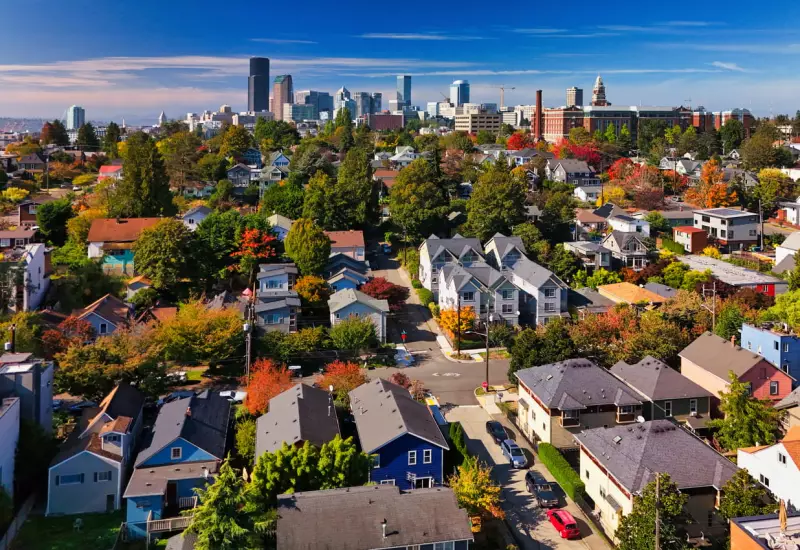
- Seattle, WA: Homes spend a median DOM of 9 days from listing to contract. Homes sell relatively faster in Seattle due to a strong tech job market. Although home prices are high, the demand remains rapid, especially in desirable suburbs.
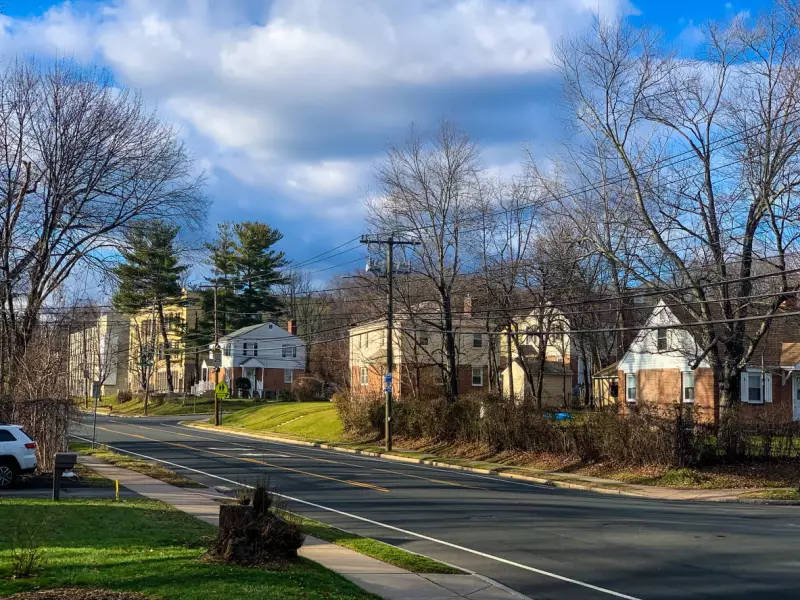
- Hartford, CT: The city has a tight housing inventory and high demand from buyers priced out of more expensive coastal metros. Properties stay on the market for a few weeks from listing to contract.

- Kansas City, MO-KS Metro: Kansas City has a DOM of 19 days. This fast property sales rate is driven by the city's growing population, modest housing costs, and steady regional demand.
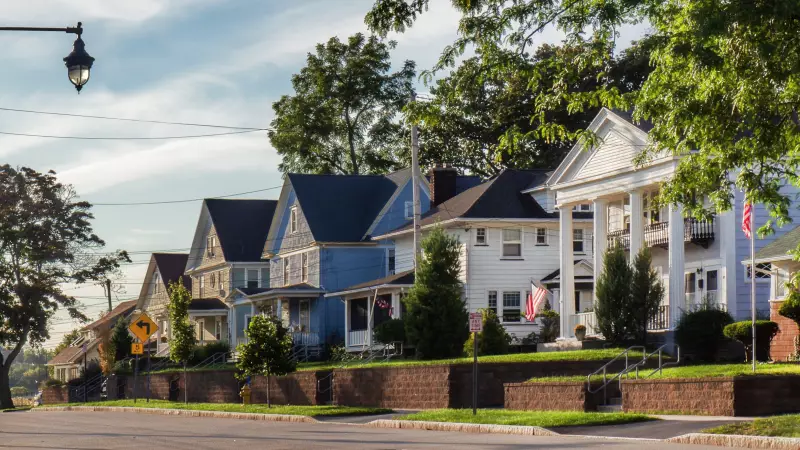
- Rochester, NY: Homes in Rochester go from listing to contract within 33 days. The high demand for real estate in the city is fueled by low inventory and strong local demand, which pushes homes off the market quickly, especially in the county/metro areas.
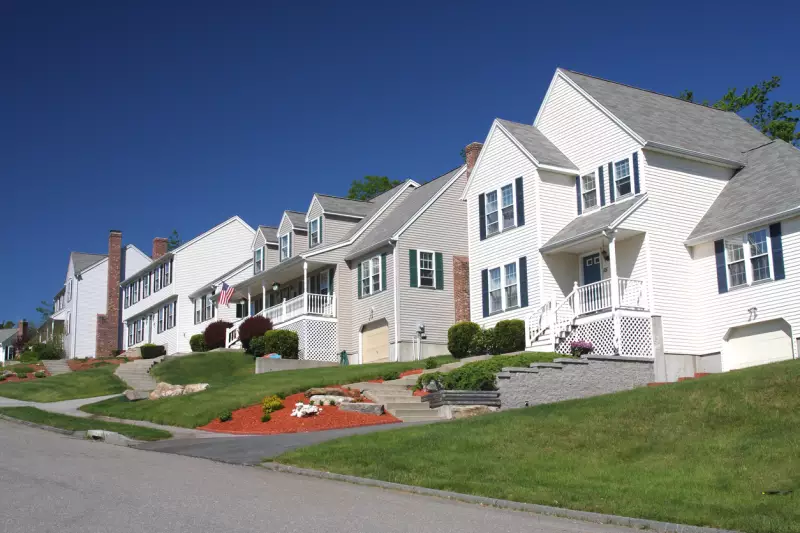
- Worcester, MA: The city is a more affordable alternative to other pricey Boston metros. Increased remote work has accelerated housing demand in that area, with most houses going off the market within 25 days.
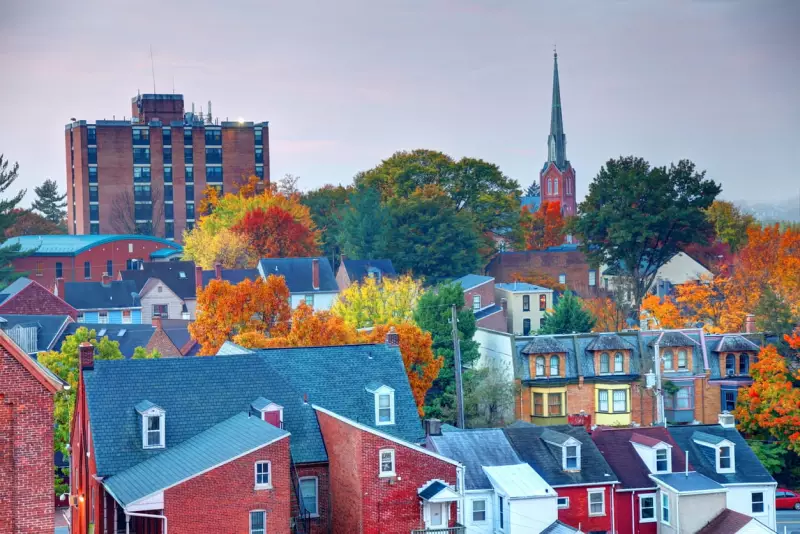
- Lancaster, PA: This Pennsylvania city reports a DOM of 10 days. The fast turnover is tied to limited supply, high local demand, and lower house prices, especially in non-major-metro areas.

- Cincinnati, OH: The city has a DOM of 37 days. This speed is primarily due to a significant shortage of available homes for sale, as well as a relatively strong, steady demand from local buyers and new residents drawn by the city's affordability. The competitive environment means well-priced, move-in-ready homes receive multiple offers rapidly.
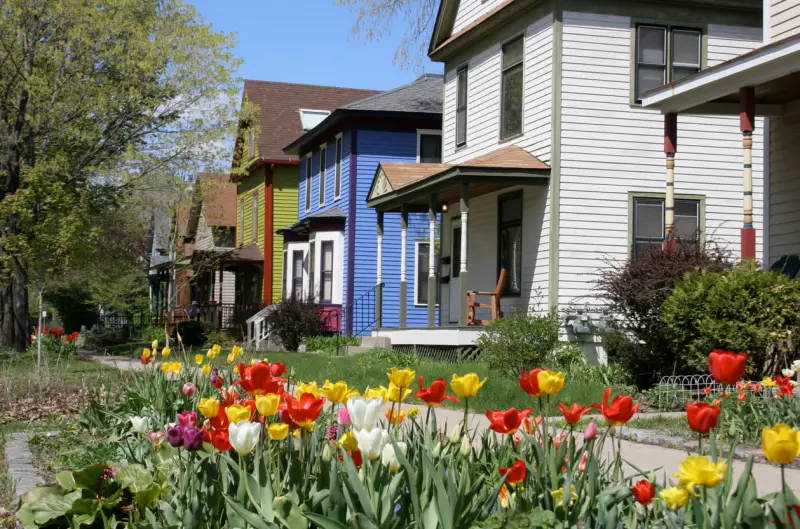
- Minneapolis, MN: Houses go from listing to contract within 39 days. This pace is driven by a significant shortage of available homes for sale, which creates high competition among buyers. Additionally, consistent demand from a strong local job market further fuels housing demand in major metros.
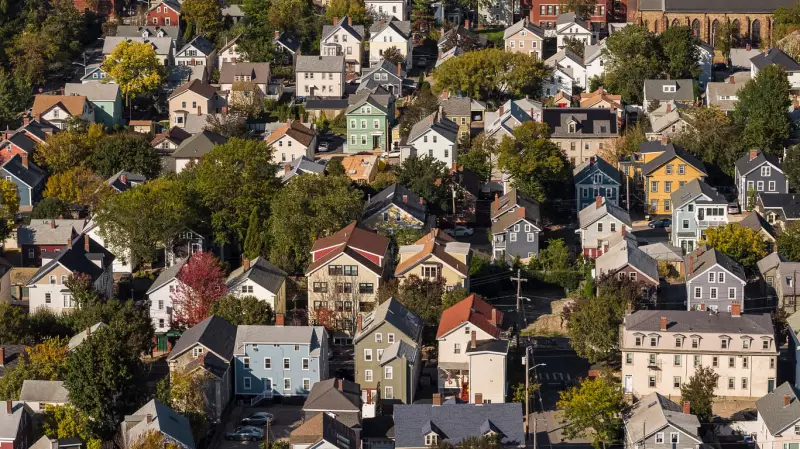
- Providence, RI: Home prices in this city are relatively affordable, drawing buyers and helping homes sell fast. Also, the city's proximity to coastal New England's housing and amenities is an appealing feature to buyers and investors. Houses typically sell within 38 days on the market.
Are Fastest-Selling Markets Always the Hottest or Most Expensive?
Not necessarily. A "fastest-selling" market means that homes move from listing to contract quickly, but that speed does not always reflect how expensive or "hot" the market is overall.
In some cities, homes sell fast because they are more affordable, attracting a large pool of qualified buyers. These markets may not make headlines for luxury prices, but they remain highly competitive because buyers act quickly when well-priced units appear. Rapid sales in these areas usually reflect strong local job growth, limited housing supply, or steady demand from families and first-time buyers.
In contrast, very expensive coastal markets typically have longer DOM. High prices naturally limit how many buyers can afford to purchase, which slows the pace, even if the overall demand for housing in the area remains strong. A city can be considered "hot" in terms of media attention or long-term appreciation even if it has a low average days-on-market.
Generally:
- Fastest-selling does not equal most expensive.
- Fast sales reflect demand relative to supply, not luxury status.
- Affordability often drives speed, because more buyers can compete for the same limited number of homes.
Homes sell at different speeds across the United States, and these differences reveal crucial clues about local housing conditions. Cities with very low DOM typically reflect strong demand, limited supply, or appealing price points that push buyers to act quickly. But a fast-selling market is not always the most expensive or the most talked-about; it simply shows where competition is strongest at any given moment.
For everyday buyers and sellers, understanding how quickly homes sell in particular areas can help set realistic expectations, guide pricing strategies, and shape decision-making. While national trends provide useful context, real estate remains highly local, and market speed is just one of the many indicators to watch when evaluating opportunities.
Frequently Asked Questions (FAQs)
How fast do houses sell on average in the U.S. right now?
What is considered a "fast" days-on-market number?
Why are homes selling faster in some midwestern cities than in big coastal markets?
How can I find out how fast homes are selling in my area?
Does a fast-selling market always mean it's a bad time to buy?
Are homes more likely to sell over asking price in fast markets?

Martta Weiss is a property research specialist focused on improving transparency and access to U.S. real estate records. Her work centers on ownership history, recorded transfers, foreclosure activity, lien filings, and long-term market shifts, transforming complex public data into clear, actionable insights.
At PropertyRecords.com, Martta analyzes county and state property datasets to create research-driven content that helps investors, real estate professionals, homeowners, and everyday buyers better understand recorded property history and ownership trends nationwide.