10 U.S. Cities Where Home Prices Are Dropping and Why
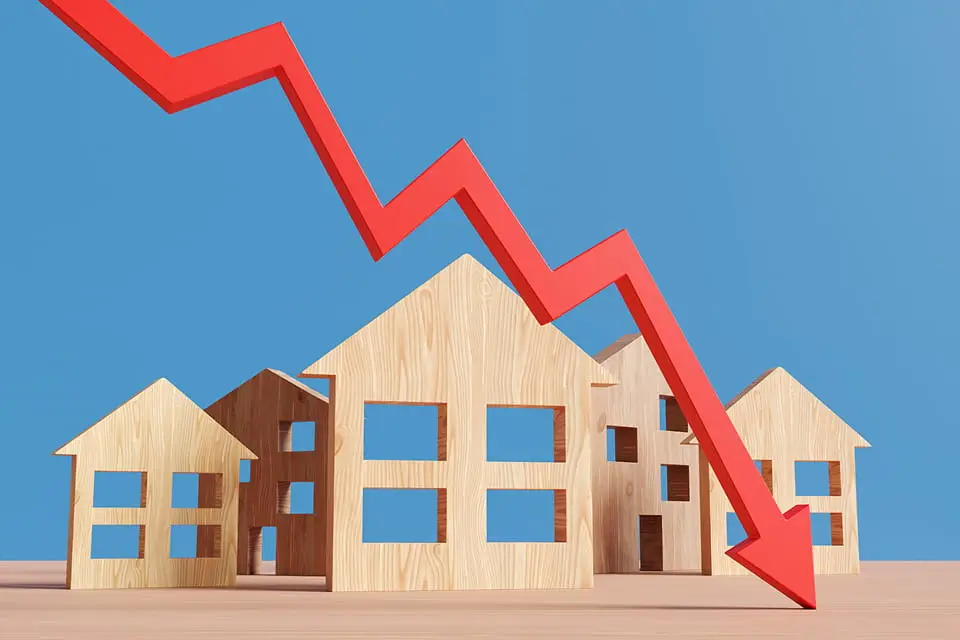
Home prices in the United States rarely move uniformly in one direction at the same time. Even as some markets continue to grow, others are softening or experiencing outright declines. These shifts typically reflect local conditions, rather than national trends. Factors such as rising inventory, changes in buyer demand, affordability pressures, and regional economic developments can influence whether prices rise, fall, or stabilize.
By looking at the local conditions driving these declines, all stakeholders in the property market can appreciate the diversity of housing market trends across the country.
Why Do Home Prices Drop in Certain Cities?
Home prices can decline for numerous reasons, and the causes almost always depend on local conditions rather than national trends. One of the most common drivers is oversupply, when the number of homes for sale rises faster than the number of buyers. This can happen during periods of rapid new construction, especially in cities that expanded quickly during the pandemic and now have more inventory than demand can support.
Another factor is population decline or out-migration. If fewer people are moving into an area, or if more residents are leaving for more affordable regions, buyer demand softens, putting downward pressure on prices.
Some markets that surged during the pandemic are now seeing a cool-off as remote-work migration slows, affordability tightens, or buyers shift back towards major job centers. These "boomtowns" may not be crashing, but rather returning to more sustainable pricing levels after rapid appreciation.
Local economic changes can also play a role. Slowing job growth, layoffs, or declining local industries can reduce buyer confidence and weaken market competition.
When these factors combine, rising inventory, fewer buyers, and slower economic growth, home prices can start to level off or decline.
10 U.S. Cities Where Home Prices Are Dropping
Here are 10 U.S. cities or metro areas that recent reports and real-estate data suggest are seeing house-price declines or softening, along with some of the local reasons cited for those decreases.
NORTH PORT, FLORIDA
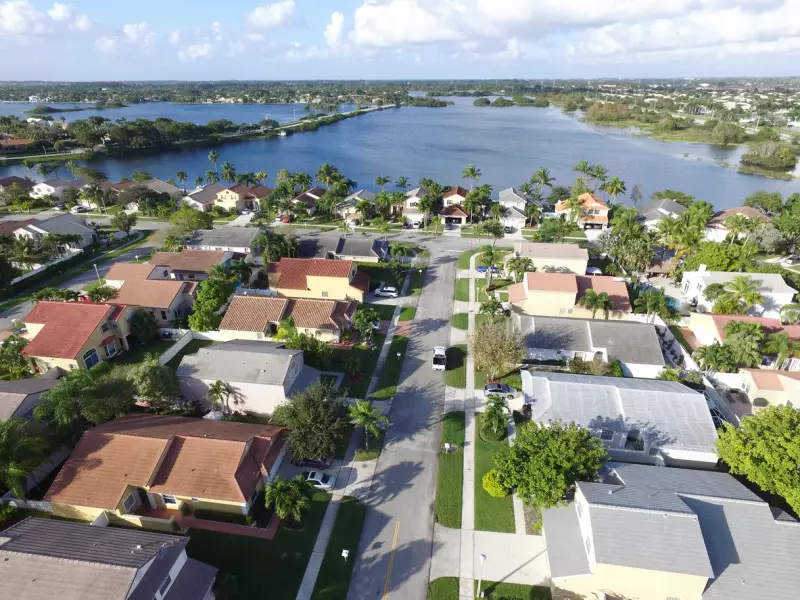
The median sale price for homes in North Port, Florida, has dropped 10.3% from $477,229 to $427,907. North Port has seen a sharp decline in home prices due to storm-related destruction, especially after Hurricane Ian (2022), which caused widespread property damage. Insurance premiums across Florida have skyrocketed, reducing buyer demand and pushing some owners to sell.
FLINT, MICHIGAN

Flint's long-running water contamination crisis continues to affect buyer confidence. Median home sale prices have fallen about 9.6% from $183,994 to $166,414 over the past year. Although repairs and improvements have been made, concerns about long-term safety persist. Further weakening demand and keeping home sale prices down is the city's population decline, which has decreased by about 22% over the last decade.
CRESTVIEW, FLORIDA
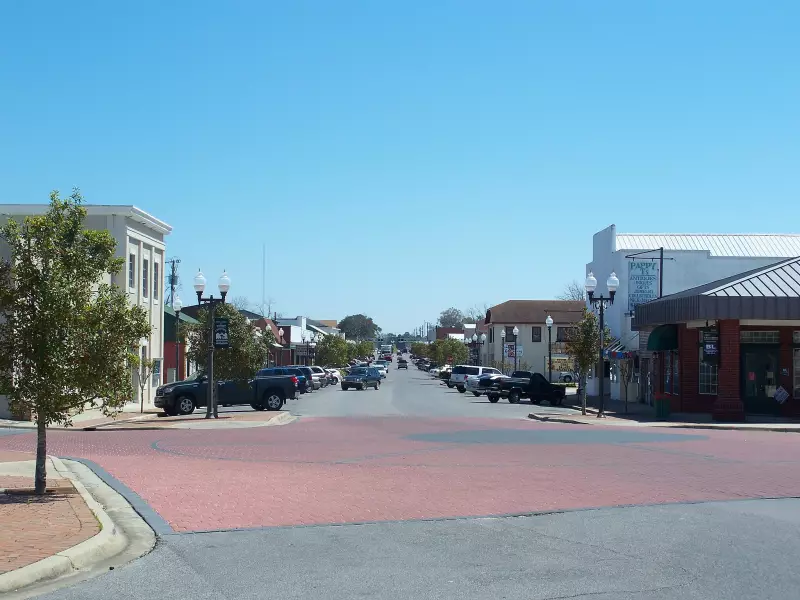
Crestview's cooling market is linked to broader insurance and climate-related affordability issues affecting Florida. Even though the city sits at a higher elevation than many Florida cities, buyers remain cautious due to statewide insurance volatility and rising homeownership costs. Currently, the city has seen a 9.4% drop in median home sale prices from about $408,591 to $376,125.
SEBASTIAN, FLORIDA
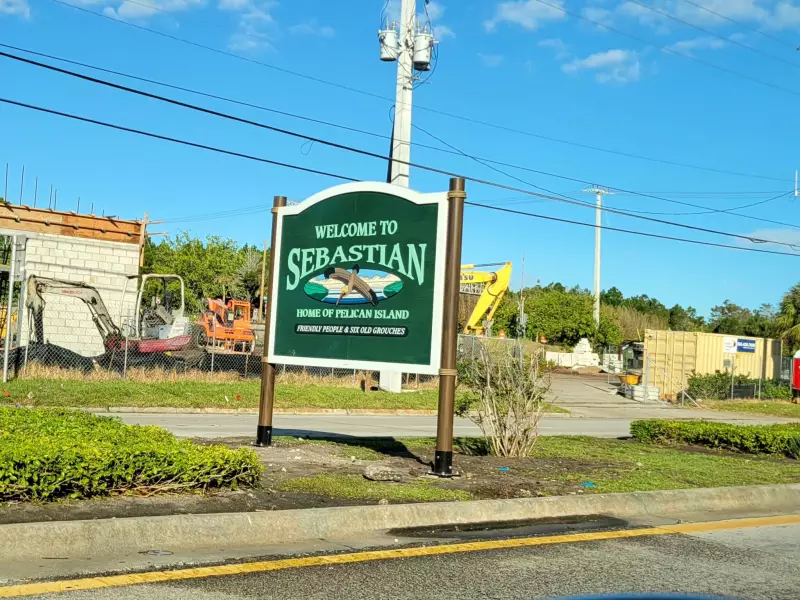
Recent data shows that Sebastian, Florida, has experienced a 7.9% decline in home prices. Many Florida coastal and near-coastal cities, including Sebastian, now face oversupply, rising costs, and waning demand. Additionally, rapid construction, along with possible speculative buying in the past, drove prices above their true value. Now prices are falling sharply from about $408,591 to around $376,125, as the market returns to normal.
PUNTA GORDA, FLORIDA
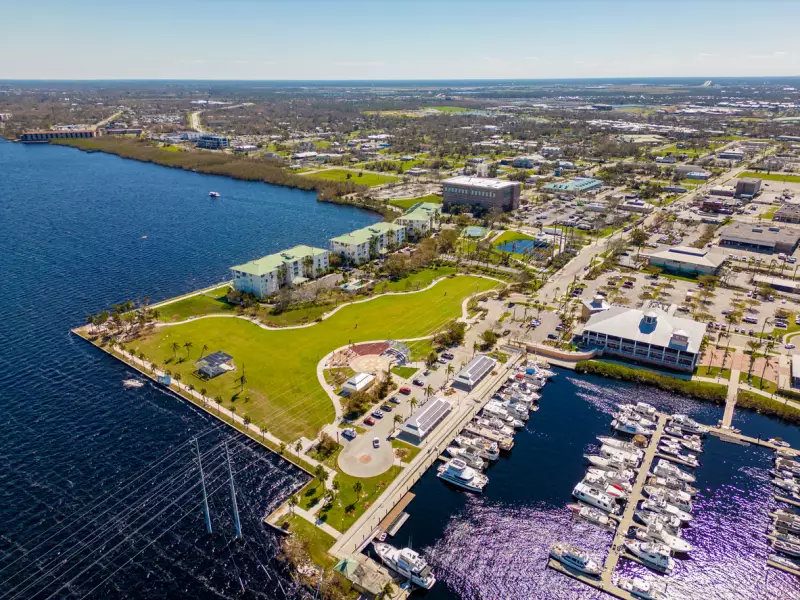
A massive surge in listings has overwhelmed local demand for homes in Punta Gorda, Florida. Inventory has reportedly risen to more than double its long-term average, creating strong downward pressure on home prices. As a result, the city has seen a 6.1% decline in median sale price from $319,650 to about $300,157. As buyers become increasingly cautious, particularly due to higher financing costs and rising insurance premiums, sellers have been forced to lower prices significantly.
LUBBOCK, TEXAS
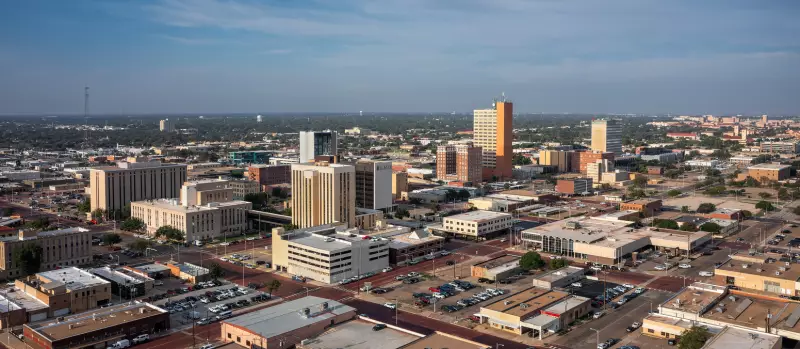
Median sales prices in Lubbock, Texas, have dropped from $228,308 to about $215,332, representing a 5.7% decrease. The price drop in the city is due to oversupply and weak demand. Inventory has surged, with both active listings and total supply increasing significantly. At the same time, buyer demand appears to have softened, as absorption rates decline and more sellers are lowering asking prices, offering greater concessions than in the past.
PRESCOTT VALLEY, ARIZONA
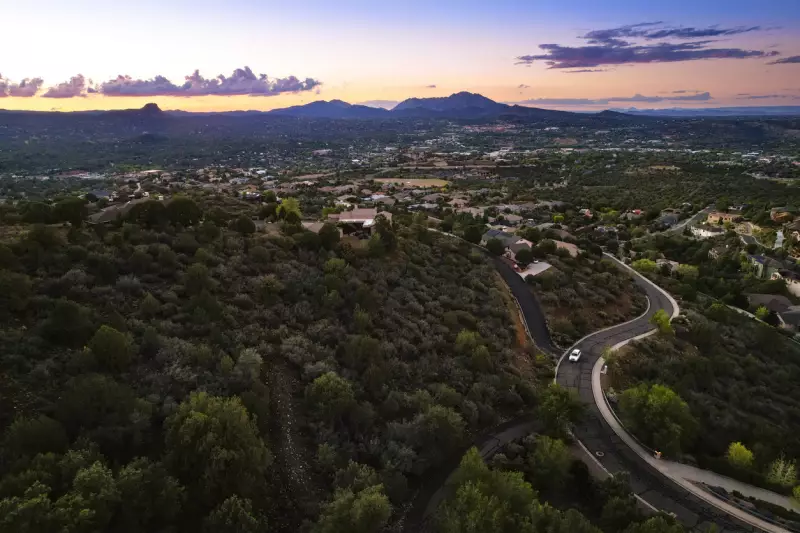
The median home sale price in Prescott Valley, Arizona, has fallen to approximately $476,750, down 5.3% from $503,454 in the previous year. Home prices in Prescott are cooling off after years of rapid price escalation, especially during the pandemic boomtowns. However, slower migration, reduced investor activity, and affordability challenges have led to softer demand. Additionally, Prescott Valley is experiencing a reset as buyers look for more budget-friendly options within the state.
BOULDER, COLORADO
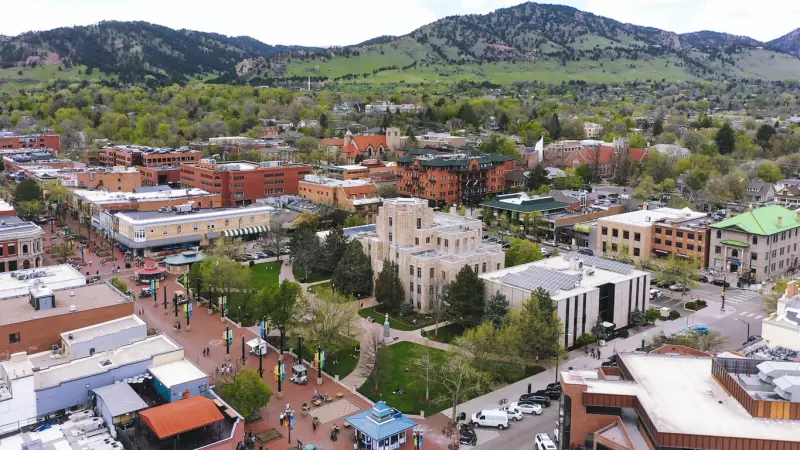
The median home prices in Boulder had dipped by 4.7%, from about $749,241 to around $714,188. Once one of the nation's hottest housing markets, Boulder is cooling due to high prices, limited affordability, and reduced in-migration. Remote work has shifted buyers to more affordable areas in Colorado, reducing demand in higher-priced markets like Boulder. This has caused median home prices to adjust downwards.
HOMOSASSA SPRINGS, FLORIDA
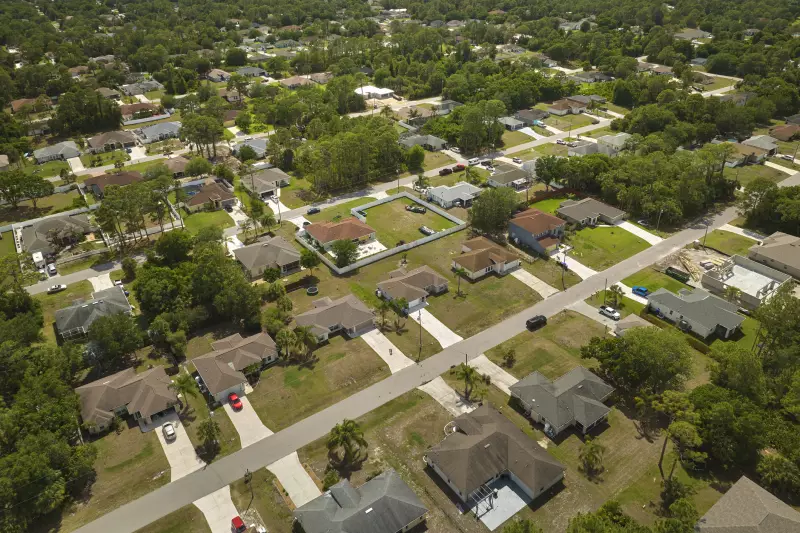
According to recent data, median home sale prices have dropped by 4.6%, from $260,647 to around $248,688. The sharp decline points to a major market imbalance, with more homes available, especially new listings, but fewer buyers. Affordability and risk pressures are also limiting demand, as higher insurance premiums, rising living costs, and climate or natural disaster risks have made buying or insuring a home in the city less attractive.
ST. GEORGE, UTAH
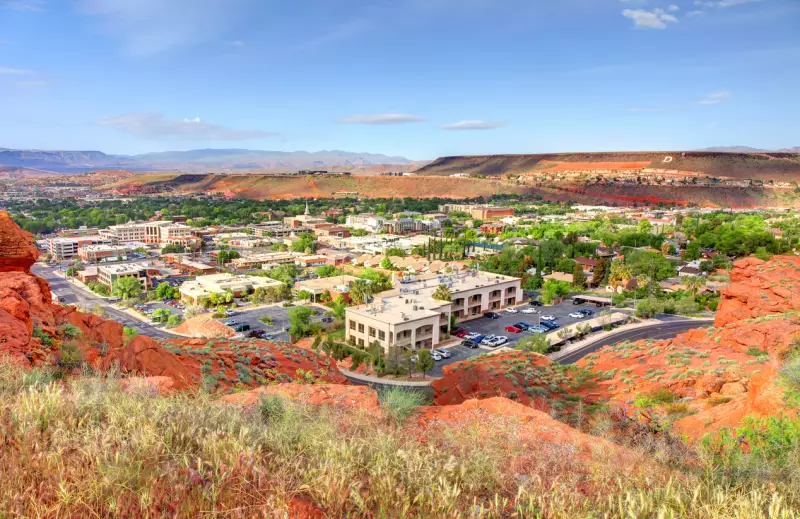
According to a recent market report, St. George's real estate market has declined 3.8%, with median sale prices falling to approximately $495,773 from $515,594, after years of strong appreciation. St. George boomed during the pandemic, driven by migration, lifestyle appeal, and new construction. As that surge stabilized, inventory increased, and demand cooled, causing prices to adjust. High construction activity has also added supply faster than buyers can absorb it.
What These Declining Markets Have in Common
Across cities such as Prescott Valley and Boulder, and other cooling markets, several consistent patterns appear repeatedly. While each market has its own local context, the declines tend to reflect broader structural shifts shaping the U.S. housing market.
- Rising Inventory Outpacing Buyer Demand: Many of these markets, especially in Texas, Utah, and Arizona, saw heavy new-construction activity during the pandemic. As interest rates remained elevated and buyer activity slowed, inventory began accumulating faster than homes could be absorbed, softening prices.
- Former Migration Hotspots Cooling Off: Cities such as St. George, Prescott Valley, and Boulder surged during the remote work boom. As migration normalizes and workers return to larger hubs or more affordable regions, demand has eased, leading prices to recalibrate after years of above-trend growth.
- Climate and Insurance Pressure in Florida Markets: Many cities within Florida are seeing price declines, where high insurance premiums, storm risks, and stricter underwriting have increased the overall cost of owning a home. These rising costs are reducing buyer interest and pushing more homeowners to list their properties.
- Affordability Limits Constraining Buyers: High prices in markets like Boulder, Prescott Valley, and St. George have pushed many buyers to more budget-friendly alternatives. When incomes fail to keep pace with home values, demand weakens, putting downward pressure on prices.
- Long-term Local Economic Concerns: Population loss and ongoing infrastructure problems can weigh on the housing market. Fewer residents mean fewer buyers, weaker demand, and continued downward pressure on prices.
- Post-pandemic Market Normalization: Some cities are now adjusting after the rapid price spikes of 2020-2022. The current price declines mostly reflect a return to more sustainable valuations, rather than a major drop in buyer demand.
How These Declines Compare to the National Housing Market
The downward price movements in cities like Prescott Valley and Boulder are occurring amid a national backdrop where overall home prices remain near record highs. National data shows that the U.S. median home sale prices are still rising year over year, even as affordability worsens. Existing home sales increased 2% to a seasonally adjusted annual rate of 4.01 million.
The median existing-home sale price also inched up 0.2% from July 2024 to $422,400, the highest on record and the 25th consecutive month of annual price gains. This means that broad nationwide declines are not the norm; the cooling markets stand out as exceptions rather than the norm.
At the same time, the national inventory picture provides important context. Although listings have increased modestly nationwide, total housing supply is still well below pre-pandemic levels, keeping pressure on prices in most regions. In contrast, many of the declining markets have seen local inventory rise faster than the national average, creating conditions where prices soften despite national strength.
In effect, these cooling metros reflect localized corrections within a broader housing market that continues to experience price growth. While the national median is elevated, these cities show noticeable declines because their supply-and-demand balance has shifted more sharply than it has nationwide.
The recent decline in home prices across cities like North Port, Flint, Boulder, and Prescott Valley illustrates how housing markets can diverge from national trends. The U.S. median home prices continue to rise, and overall inventory remains relatively tight. However, localized factors, such as increased supply, cooling demand, affordability pressures, climate and insurance risks, and long-term economic challenges, can create conditions where prices soften in specific markets.
Falling prices in these markets are a normal part of the real estate cycle. They often reflect temporary imbalances between supply and demand, adjustments after rapid appreciation, or local economic conditions, rather than a sign of nationwide market weakness.
Real estate markets are inherently regional, and price movements should always be considered within their local context. Buyers, sellers, and investors must understand these nuances: a cooling market in one city does not necessarily signal long-term decline, just as rising prices nationally do not guarantee uniform growth everywhere.
Frequently Asked Questions (FAQ)
Are home prices dropping in the U.S. overall?
Why do home prices fall in some cities but not others?
How often do housing markets shift from rising to falling?
Are the falling prices a sign of a housing crash?
Are price declines happening mostly in certain regions?
Do new-construction trends impact home prices?

Martta Weiss is a property research specialist focused on improving transparency and access to U.S. real estate records. Her work centers on ownership history, recorded transfers, foreclosure activity, lien filings, and long-term market shifts, transforming complex public data into clear, actionable insights.
At PropertyRecords.com, Martta analyzes county and state property datasets to create research-driven content that helps investors, real estate professionals, homeowners, and everyday buyers better understand recorded property history and ownership trends nationwide.