Cheapest States to Buy a House in the U.S.
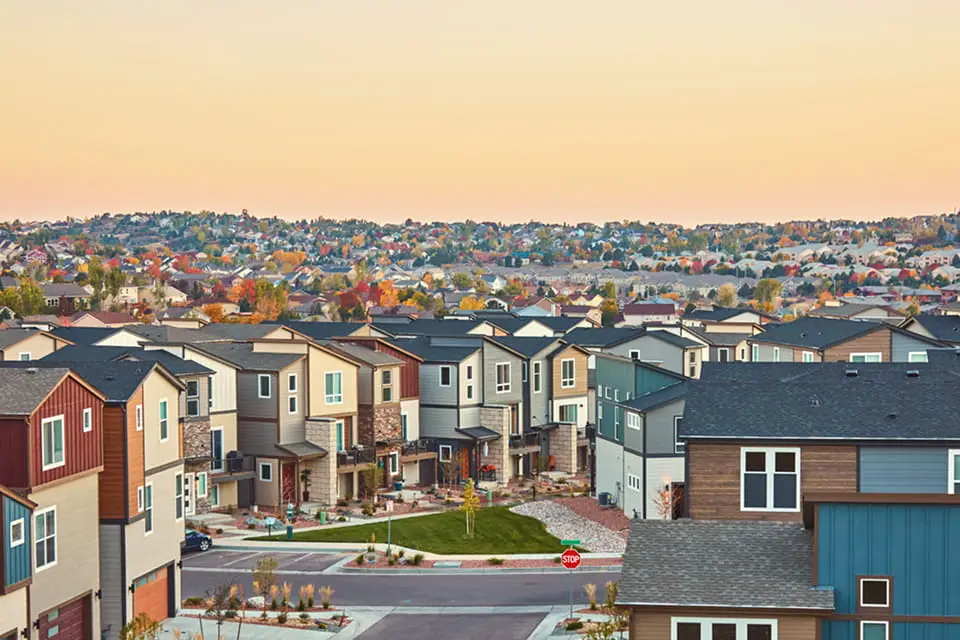
Home prices in the United States vary widely from state to state, reflecting differences in economic conditions, geographical features, population growth, and local construction costs. While some regions experience high demand and rapid appreciation, others maintain more modest housing markets, offering lower median home prices and higher affordability.
Certain states consistently rank among the "cheapest" places to buy a house, driven by structural factors such as slower population growth, lower land and labor costs, and more abundant housing supply. Knowledge of these trends can help prospective buyers identify markets where homes are more accessible and offer greater value relative to local income.
What Makes a State Affordable for Homebuyers?
Affordability in housing is determined by a combination of economic, demographic, and structural factors that influence how much homebuyers must spend relative to their income. Key criteria for evaluating affordability include:
- Median Home Price: The median home price represents the midpoint of all home sales in a state. Lower median prices directly reduce the upfront cost of purchasing a home, making states with smaller median values more accessible to buyers.
- Price-to-Income Ratio: This ratio compares the median home price to the median household income. A lower ratio indicates that homes are more affordable relative to local incomes, while a high ratio suggests that buyers may face financial strain when purchasing a median-priced property.
- Property Taxes: States with lower property taxes can make owning a home significantly more affordable. Lower annual taxes reduce the long-term financial burden on buyers, allowing them to channel their resources into mortgage payments rather than savings. In contrast, markets with relatively low home prices can become less affordable if property taxes or insurance premiums are high.
- Ongoing Costs: Ongoing costs such as homeowners' insurance, HOA fees, utility expenses, and local service charges affect home affordability. In areas where insurance premiums are rising, the added financial strain can discourage potential buyers, reducing demand.
- Cost of Living: Cost of living considerations, including utilities, transportation, healthcare, and everyday necessities, determine how much residents can afford to spend on housing. In states with lower overall costs, buyers can stretch their income, making homeownership more attainable. Conversely, in areas with higher living expenses, affordability pressures reduce the pool of potential buyers.
- Local Economic Factors: Local economic factors, such as job growth, wage levels, and employment stability, further influence buyers' capacity to purchase homes. Strong job growth attracts new residents and increases demand for homes, while rising wages improve buyers' purchasing power. Conversely, areas experiencing layoffs, stagnant wages, or declining industries may experience weaker buyer demand.
- Supply and Market Dynamics: Housing supply, demand trends, and construction costs influence prices. States with ample housing stock, slower population growth, or less competition for homes tend to maintain lower home prices over time.
The Cheapest States to Buy a House Right Now
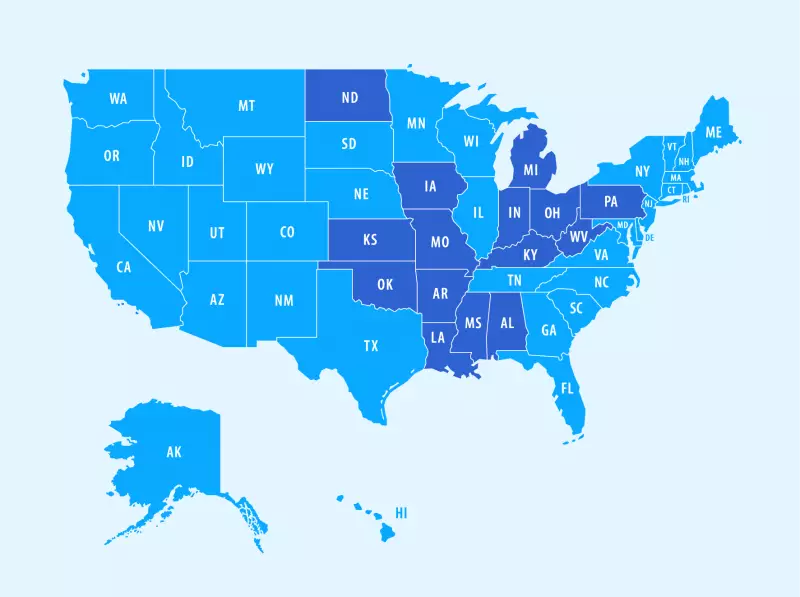
Buying a home is hugely location-dependent: the price can buy a tiny condo in a big coastal city or a whole house with land in a rural county. Below are the 15 states where it is cheapest to buy a home based on current data from World Population Review and AmeriSave.
IOWA
Iowa has a median home price of $228,000, the lowest nationwide. Its low median home price reflects abundant housing supply in non-metro areas, modest population growth, and relatively low land and construction costs.
Many Iowa markets consist of single-family housing and smaller towns where demand remains steady but not intense, keeping price growth limited. Agricultural land use patterns, lower wages relative to high-cost metros, and moderate property taxes also contribute to lower monthly ownership costs.
OHIO
Ohio ranks among the cheapest states to buy a house, thanks to its low median home price of $241,000, affordable mortgage payments of $1,166, and a cost of living about 6% below the national average.
While property taxes are higher, Ohio offsets this with low homeowners' insurance costs and a strong, diversified economy. Major metros like Columbus, Cleveland, and Cincinnati offer jobs in healthcare, tech, manufacturing, and finance. At the same time, smaller cities provide more affordable housing options, making Ohio a budget-friendly and economically stable choice for homebuyers.
OKLAHOMA
Oklahoma's low median home price of $244,000 is driven by inexpensive land, lower labor, material, and construction costs, and a large share of single-family homes in smaller metros. Additionally, fluctuations in the energy sector can slow home price growth and lower in-migration compared with coastal boom areas, leading to less competition among buyers.
LOUISIANA
With a median home price of about $249,000 and an average monthly mortgage payment of $956, Louisiana is one of the cheapest states to buy a home in the U.S. The cost of living is nearly 8% below the national average, and property taxes are among the lowest in the country at just 0.55%. This affordability is supported by modest population growth, abundant land in many parishes, and a large share of older, lower-priced housing stock.
Additionally, local economic factors, such as energy and petrochemical industries, agriculture, and services, produce incomes that generally support lower median prices. However, certain coastal metros and flood-exposed communities include risk-related cost factors, such as insurance and mitigation, that can complicate affordability for buyers in those submarkets.
MICHIGAN
The median home price in Michigan is $249,000, one of the lowest in the Midwest. Additionally, the cost of living is 9.6% below the national average, while homeowners' insurance averages $2,411 per year. Property taxes are higher than in some states, at an effective rate of 1.28%, but even with this, the overall cost of housing remains manageable.
Areas outside the Detroit metro usually have lower prices and slower appreciation. Manufacturing and service-based economies provide moderate incomes that match lower housing costs, while older homes priced below replacement costs help keep median home prices down.
WEST VIRGINIA
West Virginia consistently ranks among the most affordable states for homebuyers, offering a median price of about $249,000 and a cost of living about 16% below the national average. Housing remains inexpensive largely because many counties experience slow or negative population growth, which keeps demand low and land values modest. The state has a large supply of older homes priced below national norms.
Property taxes are exceptionally low, with an effective rate of 0.54% and a median annual bill of just $835, helping keep long-term ownership costs manageable. While job opportunities can be limited and median household income is below the national level, the income-to-mortgage ratio of 5.54 indicates that typical households can comfortably afford monthly payments.
ARKANSAS
Arkansas stands out as one of the cheapest states to buy a house, with a median home price of $253,000. One of the biggest advantages is its low median monthly mortgage payment of $821. Property taxes are also favorable: an effective rate of 0.57% and a median annual bill of $1,003 mean buyers avoid the tax burden that usually erodes affordability in other states.
The state's median home price is around $253,000. Arkansas's low land and construction costs, modest demand outside major metros, and abundant older single-family homes all help to keep prices affordable.
MISSISSIPPI
Mississippi offers some of the strongest housing affordability in the nation, anchored by the lowest median monthly mortgage payment in the country, just $790. The state also has one of the lowest overall costs of living, about 12% below the national average. Although Mississippi's median household income is about $54,915, one of the weakest in the country, property taxes and ongoing living costs remain modest, making home affordability possible.
With a median home price of approximately $253,000, affordability is driven by low land and construction costs, limited in-migration, and a large supply of rural housing.
INDIANA
With a median home price of about $255,000 and a median monthly mortgage payment of $1,129, buyers benefit from a favorable income-to-mortgage ratio supported by a solid median household income of $70,051. The state's cost of living is about 9.5% below the national average. Property taxes are also moderate, with an effective rate of 0.74% and an annual bill of $1,496, while homeowners' insurance averages $2,991 per year.
Indiana's affordability is reinforced by steady employment in manufacturing and logistics, an abundant housing supply across small and mid-sized cities, and lower construction and land costs.
MISSOURI
Missouri has a median home price of about $258,000 and a notably low median monthly mortgage payment of $990, with buyers benefiting from a favorable income-to-mortgage ratio supported by a median household income of about $68,920. The state has an 11% cost of living, which is below the national average. Property taxes remain moderate with an effective rate of 0.88% and a typical annual bill of $1,887.
Missouri's relatively low median stems from a mix of affordable smaller cities, slower metropolitan price growth, and abundant single-family housing. Missouri's job market offers employment in biotechnology, healthcare, logistics, and finance, which helps support steady demand without driving prices too high.
KENTUCKY
Kentucky has a median home price of about $263,000 and a remarkably low median monthly mortgage payment of $932, making homeownership more accessible here than in many neighboring states. Additionally, a cost-of-living index of 93, about 7% below the national average, boosts residents' purchasing power. Property taxes remain modest, with an effective tax rate of 0.77% and an annual bill of $1,472.
Kentucky's affordability is rooted in low land prices outside major urban centers, a wide supply of older homes, and moderate wages that keep demand steady rather than overheated.
KANSAS
Kansas offers strong affordability for homebuyers, with a median home price of $279,000 and a broad supply of single-family homes across small towns and mid-sized cities. Low land and construction costs help keep both new and older homes affordable, while buyers benefit from the moderate monthly payments. Its steady employment concentrations in agriculture, energy, and manufacturing, and a lower cost of living compared with coastal states, provide steady demand for housing.
ALABAMA
The affordability of Alabama homes is driven largely by its exceptionally low property taxes. With an effective rate of just 0.38% and a median annual bill of $738, buyers pay roughly $62 monthly in property taxes, far below what homeowners pay in high-tax states. The median home price in Alabama is around $281,000, while the median household income is over $62,000, giving families a meaningful budget to purchase homes easily.
Alabama's affordability is further supported by low land and construction costs, a high supply of older single-family homes, and a cost-of-living index of 88, or 12% below the national average.
NORTH DAKOTA
With a median home price of around $281,000, buying a home in North Dakota tends to cost less than in most coastal states. The state benefits from a relatively low overall cost of living, about 12% below the national average. Its property tax regime also supports affordability, with a rate of about 0.94%, which is slightly below national norms.
North Dakota's overall affordability is driven by low housing supply in many counties, a dispersed population, and moderate construction costs. While energy booms can cause temporary local price spikes, the median home prices across the state stay lower than in most coastal states.
PENNSYLVANIA
Pennsylvania has a median home price of $283,000, with most of the state consisting of affordable smaller cities and exurban regions that offset higher-cost areas like Philadelphia and parts of the southeast. Additionally, a large supply of older, smaller single-family homes and slower population growth in many regions help keep statewide medians modest.
Although property taxes tend to be higher than in most states on this list, at an effective rate of around 1.19%, they remain affordable for most households, as the state's cost of living is low. Also, the local job market is strong, especially in the healthcare and education sectors, giving residents purchasing power.
How Affordable States Compare to the National Market
Across the United States, the national median home price currently hovers above $400,000, according to data from the National Association of Realtors. By contrast, most states reported median home prices ranging from $228,000 to $283,000. These medians sit well below the national benchmarks, usually between 20 and 50%.
These wide gaps exist for several reasons. Land and construction costs are far lower in areas without large, high-demand coastal metros, allowing both new builds and existing homes to remain inexpensive. Many of these affordable states also feature smaller cities and more rural communities, which reduces competition among buyers and helps keep prices anchored.
Local income and economic structures play a significant role: regions with moderate household incomes naturally sustain lower prices, creating housing markets that align with local earning power. Another key factor is the mix of housing stock. Many affordable states have older homes or larger properties priced below the cost of building new, which pulls the median down. In addition, slower in-migrationin these states means fewer outside buyers bidding up prices, unlike fast-growth states. Lastly, local regulations, taxes, and land-use policies influence how easily new housing can be supplied, further shaping overall affordability.
Affordability Trends to Watch
Several long-term factors consistently shape which states remain more affordable than others.
- Regional Population Dynamics: States with slower population growth, stable household formation, or large rural areas typically experience lower demand pressure, which helps keep home prices moderated. Markets with steady rather than rapid in-migration tend to avoid the intense bidding competitions seen in fast-growth coastal or Sunbelt metros.
- Local Economic Composition: Regions anchored by manufacturing, agriculture, logistics, or service-based employment maintain moderate income levels, which naturally keeps home prices aligned with local purchasing power. When incomes grow gradually, and job markets remain stable, housing costs usually follow the same pattern.
- Housing Supply Conditions: States with ample land, flexible zoning, and a history of consistent building tend to maintain healthier inventory levels. When supply keeps pace with demand over many years, price growth remains contained. In contrast, markets with tight land constraints or construction bottlenecks often see sharper increases in housing costs.
- Age and Type of Housing Stock: Many affordable states have large inventories of older homes or lower-cost single-family properties that continue to anchor local price medians. When an area's existing housing stock is already priced below the cost of new construction, it helps maintain long-term affordability.
- Cost-of-Living Structures: Insurance, property taxes, and everyday expenses shape what buyers can comfortably afford. Regions where these costs stay relatively stable tend to support more accessible home prices over time.
Iowa, Oklahoma, Indiana, West Virginia, and other states listed above remain the cheapest places to buy a home, not simply because their homes are lower, but because of their long-standing forces that shape those prices. Broad economic conditions, steady population patterns, moderate income levels, and ample land supply all work together over time to create markets where housing remains accessible. These structural factors influence affordability far more than short-term fluctuations in listing prices or year-to-year sales trends. Furthermore, lower land and construction costs, paired with reasonable property taxes and everyday living expenses, can reduce the overall cost of homeownership.
Affordability ultimately reflects these deeper economic and demographic foundations, making them essential elements to watch for anyone researching a state's long-term housing landscape.
Frequently Asked Questions (FAQ)
What is the cheapest state to buy a house in right now?
Are the cheapest states also the cheapest places to live overall?
Why are some states significantly more affordable than others?
Does cheaper housing mean lower-quality homes?
Is land also cheaper in these states?
Do affordability rankings change every year?

Martta Weiss is a property research specialist focused on improving transparency and access to U.S. real estate records. Her work centers on ownership history, recorded transfers, foreclosure activity, lien filings, and long-term market shifts, transforming complex public data into clear, actionable insights.
At PropertyRecords.com, Martta analyzes county and state property datasets to create research-driven content that helps investors, real estate professionals, homeowners, and everyday buyers better understand recorded property history and ownership trends nationwide.