U.S. Housing Market Predictions for 2026

The U.S. housing market has experienced significant fluctuations in recent years, shaped by rising mortgage rates, persistent inflation, limited housing supply, and shifting migration patterns. Home prices surged during the pandemic, then cooled as borrowing costs increased and affordability pressure grew. Inventory levels, meanwhile, have remained tight in many regions, creating a competitive environment for buyers even as some markets softened.
Looking ahead to 2026, experts suggest that the housing market could follow several potential paths. Key trends in mortgage rates, economic growth, and demographic shifts will likely influence home prices, inventory, and buyer-seller dynamics.
While uncertainty remains, analyzing forecasts from major housing analysts provides insight into the factors that may shape the market and what buyers, sellers, and investors might expect in the coming year.
What Will the Housing Market Look Like in 2026? (High-Level Overview)
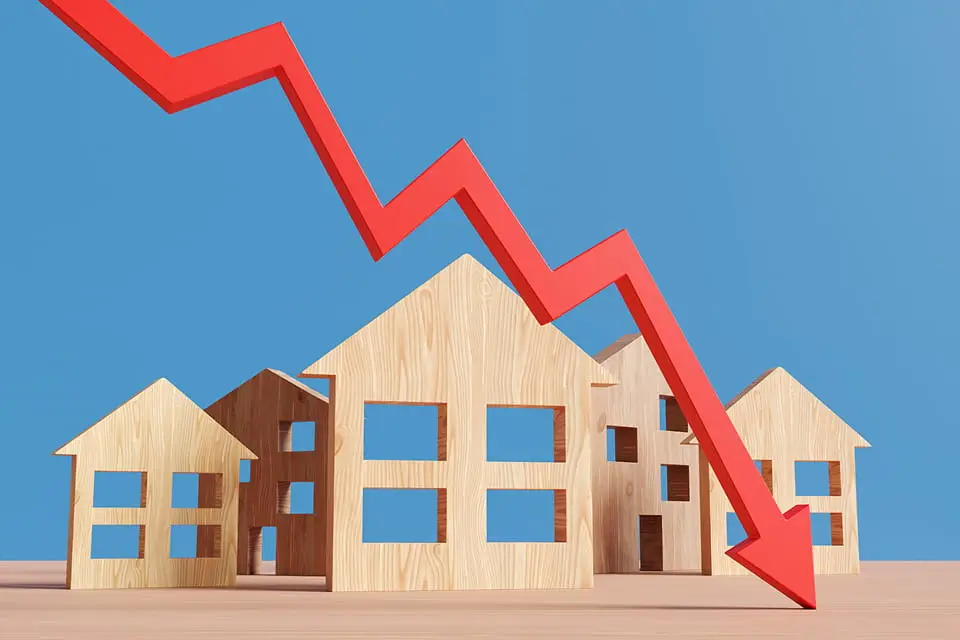
Most major housing analysts expect 2026 to be a year of gradual stabilization rather than dramatic swings. Forecasts generally point to moderate home-price growth, supported by limited inventory and steady demand. However, the pace is expected to be slower than the rapid increases seen during the pandemic years.
Several projections also suggest that the market may become more balanced than in recent years. If mortgage rates ease slightly, affordability may improve for some buyers, helping support sales activity. At the same time, inventory is expected to remain relatively constrained, which could prevent any widespread price declines.
Overall, the broad expectation for 2026 is a market that continues to normalize, not return to the overheated environment of 2021, but also not a downturn. Instead, analysts anticipate a mix of modest growth, steadier conditions, and regional differences shaped by local supply, job markets, and migration patterns.
Home Price Predictions for 2026
Forecasting home prices is always uncertain; many factors influence the housing market, and conditions can change rapidly. However, several analysts and institutions have painted a broadly similar outlook for 2026.
National Outlook: What Analysts Expect for 2026
- Many forecasts for 2026 expect home prices to rise slowly or flatten, rather than boom or crash. The expectation is that large price spikes seen during and immediately after the pandemic will not recur because economic conditions have changed, with higher rates, inflation pressure, and tighter credit. For instance, Zillow projects U.S. home values will climb about 1.2% in 2026.
- A flattening or mild growth scenario may prevail if inflation continues to ease, wages remain steady, and housing inventory stays tight. In this case, home prices may rise gradually, enough to maintain real estate value growth, but not fast enough to match the historic double-digit annual gains of previous years. According to a Home Economics summary, their model projects about 1.6% appreciation by 2026.
- Given ongoing economic challenges, some analysts expect price growth to slow, resulting in a steady state with neither strong appreciation nor widespread declines. This would reflect a balance of continuing demand and affordability pressures for many buyers.
National vs. Regional Differences
Even if the national average shows slow growth or stabilization, individual regional markets are likely to diverge, sometimes sharply. Key factors shaping these differences include local job growth, migration trends, housing supply, and affordability. Examples of what this could look like include:
- High-demand regions with strong economic growth, population inflows, or limited new housing, such as job-center metros, growing Sun Belt cities, or areas attracting remote workers, may continue to see price appreciation, potentially outperforming the national average.
- Markets where affordability has become strained, especially where home prices are high relative to local incomes, or where housing supply increases significantly, may experience cooling or slower growth. In these places, home prices might flatten or even dip slightly if demand softens.
- Mid-tier or more affordable metros that offer a balance between price, cost of living, and quality of life could attract buyers priced out of major coastal or high-cost markets, keeping demand relatively stable and supporting modest price gains.
Based on current expert trends, the following broad tendencies appear possible:
-
Markets that are likely to see continued price growth or stability in 2026
- More affordable or lower-cost regions, especially those outside high-priced coastal or historically high-growth areas. These may attract buyers priced out of expensive metros.
- Regions where supply remains constrained (limited new construction, few listings) and local demand (jobs, population growth, inward migration) holds up.
- Areas where demographic shifts, such as younger families or remote-work relocations, increase housing demand relative to supply.
-
Markets that are likely to see slower growth or cooling
- Previously overheated markets, especially those that saw rapid post-pandemic price jumps, where buyer affordability is constrained or mortgage-rate sensitivity remains high. In such markets, even modest economic downturns or rate increases could dampen price growth.
- Regions with rising housing supply or elevated new-home construction could relieve some of the seller's market pressure seen in recent years.
- Places where local economic growth, job opportunities, or population inflows decline, leading to reduced housing demand compared with the supply of available homes.
Mortgage Rate Expectations for 2026

Most housing economists expect mortgage rates in 2026 to stand near the current levels or moderately lower, depending on inflation trends and Federal Reserve policy. While no forecast is certain, many analysts anticipate that rates could gradually ease if inflation continues cooling and broader economic conditions stabilize.
Even with potential declines, experts generally do not expect a return to the ultra-low pandemic rates seen in 2020-2021. Instead, projections point to rates settling into a middle range, low enough to relieve some affordability pressure but still higher than historic lows.
Will 2026 Be a Buyer's Market or Seller's Market?
Analysts generally expected mixed conditions in 2026, with some parts of the country trending toward a more balanced market while others continued to lean towards a seller's market. The overall direction depends on how quickly new supply enters the market, how mortgage rates move, and whether demand remains strong in fast-growing regions.
Nationally, more forecasts point towards a gradual easing of seller dominance, especially as inventory continues to improve from the unusually tight levels of the early 2020s. Longer time-on-market trends in some metros and slowing price appreciation suggest a shift towards more neutral conditions, where neither the seller nor buyers hold excessive pricing power.
However, local differences will matter significantly:
- High-demand metros with limited building capacity may continue to behave like seller-leaning markets, with constrained supply keeping prices firm.
- Sun Belt and Midwest markets with expanding construction pipelines or slower population inflows could experience more buyer-friendly dynamics, including steadier prices and rising inventory.
- Recently overheated metrosmay see the sharpest adjustments as demand normalizes.
Overall, 2026 is expected to reflect mixed conditions, featuring regional variation rather than a single national market type.
Will the Housing Market Crash in 2026?
Most experts agree that a large-scale housing market crash in 2026 is unlikely, though localized slowdowns or modest price adjustments are possible. Several factors make a sudden widespread collapse improbable:
- Mortgage lending standards are stricter than during the 2008 crisis, reducing the likelihood of widespread defaults.
- Household balance sheets are generally healthier, with many homeowners holding significant equity in their homes.
- Inventory shortages in key markets continue to support prices even as demand moderates.
That said, analysts attest that localized corrections are possible. Markets that experienced rapid price growth in recent years, especially where affordability is stretched, or new supply rises significantly, could see mild price adjustments. Broader economic disruption, such as sudden spikes in interest rates, inflation, or a recession, could also affect certain regions more heavily.
Overall, the consensus is that 2026 is likely to be a period of moderation and stabilization rather than a nationwide crash, with regional variation driving most of the differences in market outcomes.
Regional Predictions: Which U.S. Markets Will Lead or Lag in 2026?
Housing activity is likely to vary widely across regions:
Potential Leaders (Steadier Growth or Stronger Demand)
- Southeast: Florida, Georgia, and the Carolinas may continue attracting migration and building activity.
- Mountain West: Boise, Salt Lake City, and Denver could see steadier growth if tech hiring and lifestyle-driven migration hold.
- Midwest: Markets, such as Columbus, Indianapolis, and Kansas City, may remain relatively stable due to affordability and ongoing job growth.
Potential Laggards (Slower Growth or Cooling)
- Overheated Sun Belt metros: Austin, Phoenix, Las Vegas, and parts of Tennessee may continue recalibrating after rapid pandemic-era appreciation.
- Coastal California: Los Angeles, San Diego, and the Bay Area may see slow or modest growth due to affordability constraints and lower migration inflows.
- Northeast Cities: High costs and low population growth may keep appreciation moderate in places like Boston, New York City, and parts of New Jersey.
Economic Factors That Will Shape the 2026 Market

Several major economic forces will influence how the U.S. housing market behaves in 2026. While the exact direction of each factor is uncertain, analysts largely agree that these are the variables most likely to shape demand, pricing, and overall market stability.
Job Market Strength
A strong employment environment generally supports home buying demand, as steady income growth improves affordability and consumer confidence. If unemployment remains low and wages continue to rise, demand may remain relatively firm, especially in industries such as tech, healthcare, manufacturing, and clean energy. If the job market softens, buyers may pull back, leading to slower price growth or more balanced conditions.
Inflation Trends
Inflation influences both household budgets and borrowing costs. If inflation continues to ease towards the Federal Reserve's long-run target, it could reduce pressure on mortgage rates and support more predictable housing costs. Higher-than-expected inflation, however, could delay rate cuts or even prompt additional tightening, slowing market activity.
Interest Rates and Federal Reserve Policy
The Federal Reserve's decisions on monetary policy, especially the federal funds rate, will remain the most important variable affecting mortgage rates in 2026. If inflation cools, the Fed may maintain or gradually lower rates, allowing mortgage costs to stabilize or soften. If inflation resurges or the economy overheats, the Fed may keep rates elevated, limiting affordability and moderating demand.
Construction and Inventory Levels
Homebuilding trends will influence how competitive the market feels in 2026. In areas where construction continues to lag, such as coastal California or the Northeast, supply constraints may keep prices resilient. However, regions with active building pipelines, such as parts of the Sun Belt and Midwest, may experience more balanced conditions as inventory rises.
Migration and Demographic Shifts
Remote work flexibility, cost-of-living differences, and demographic transitions, especially millennials aging into peak home-buying years, will continue influencing demand patterns. Some metros may experience population and housing pressure, while others level off.
Broader Economic Stability
Consumer sentiment, global events, and credit availability all play supporting roles. Stability encourages steady demand, while major disruptions can temporarily cool activity even without causing a crash.
Housing market expectations for 2026 reflect a mix of cooling trends, gradual normalization, and ongoing uncertainty. Analysts generally agree that the market will continue adjusting after several years of rapid change, but no single outcome is guaranteed. Home prices, inventory levels, and borrowing costs will all depend on broader economic forces, such as job growth, inflation, interest rate policy, and migration patterns.
Rather than moving uniformly, conditions are likely to vary widely across regions; some markets may regain balance, while others continue to feel the effects of limited supply or past overheating. Overall, 2026 is shaping up to be a year defined not by dramatic swings but by a complex set of influences that will guide the evolution of affordability, demand, and pricing across the country.
Frequently Asked Questions (FAQ)
Will U.S. home prices go up or down in 2026?
Is 2026 a good year to buy a house in the U.S.?
Is 2026 a good time to sell a home?
What are experts predicting for the housing market in 2026?
Will the housing market crash in 2026?

Martta Weiss is a property research specialist focused on improving transparency and access to U.S. real estate records. Her work centers on ownership history, recorded transfers, foreclosure activity, lien filings, and long-term market shifts, transforming complex public data into clear, actionable insights.
At PropertyRecords.com, Martta analyzes county and state property datasets to create research-driven content that helps investors, real estate professionals, homeowners, and everyday buyers better understand recorded property history and ownership trends nationwide.