
How to Transfer Property After Death Without Probate
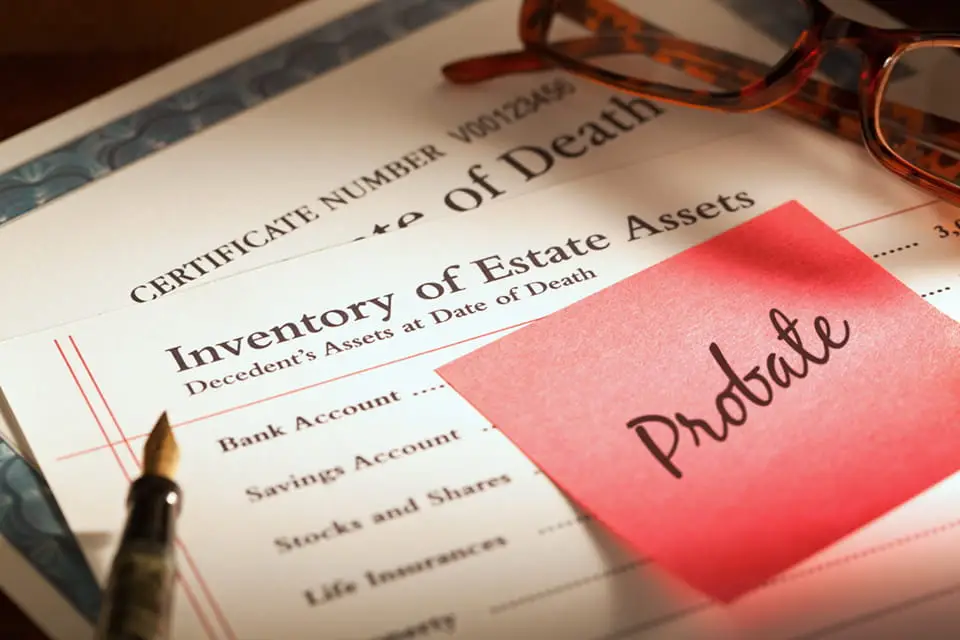
When someone passes away, transferring property to heirs often brings the concern of probate, a legal process that can be time-consuming, costly, and emotionally stressful. However, probate is not always required. In many cases, property can pass directly to beneficiaries through specific ownership arrangements or legal documents designed to avoid probate.
These tools allow heirs to receive assets more quickly and with fewer administrative hurdles. It is important to understand that rules and options vary by state and by the property type, so what works in one situation may not apply in another.
When Can Property Be Transferred Without Probate?
Property can sometimes be transferred without going through probate, but specific requirements must typically be met. Common factors include:
- Clear beneficiaries: The property has designated recipients, such as named individuals on a deed, title, or account.
- Proper titling: The property is held in a way that allows automatic transfer, such as joint tenancy with right of survivorship or certain trusts.
- Small estate thresholds: Some states allow simplified procedures for estates below a predetermined value, allowing heirs to claim property without full probate.
- No disputes or claims: All heirs agree on ownership, and there are no conflicts or contested claims.
- Debts are manageable or accounted for: The property is free of liens or debts that would otherwise require probate to resolve.
It is crucial to understand that not every situation qualifies for a non-probate transfer. Complex estates, multiple heirs, or properties with unresolved debts typically still require probate or legal oversight.
Transfer-on-Death (TOD) Deeds
A transfer-on-death (TOD) deed is a legal document that allows a property owner to name a beneficiary who will automatically inherit the assets upon the owner's passing. This type of deed is designed to bypass probate, so the property transfers directly to the beneficiary without the delays and costs of court involvement. To work properly:
- The deed must be properly recorded while the owner is alive.
- It only applies to real estate in states that specifically allow TOD deeds.
- The property owner retains full control during their lifetime, meaning they can sell, refinance, or change the beneficiary at any time.
For example, someone owning a home in a state that permits TOD deeds could name their child as the beneficiary. When the owner dies, the home passes directly to that child without going through probate, provided the deed was correctly recorded.
Lady Bird Deeds (Enhanced Life Estate Deeds)
A Lady Bird deed, also known as an enhanced life estate deed, is a legal tool that lets a property owner retain control of their home during their lifetime. It also allows the owner to name a beneficiary who will automatically receive the property upon their death. Unlike a standard TOD deed, a Lady Bird deed typically permits the owner to sell, mortgage, or change the beneficiary without restrictions, providing greater flexibility.
Lady Bird deeds are only available in certain states and are often used by people who want to simplify inheritance, retain control, and potentially protect Medicaid eligibility. They are commonly used in states like Texas, Florida, and Michigan for individuals who want to simplify real estate transfers after death.
Living Trusts
A revocable living trust is a legal arrangement in which a property owner transfers ownership of their assets, including real estate, into a trust during their lifetime. The person creating the trust, the grantor, typically retains control of the property; they can make changes or continue to use or sell it as they wish.
For a living trust to work as intended, it is essential to properly transfer and retitle the property in the name of the trust. This means the trust's name becomes the official owner on deeds, titles, or accounts. If the property is not retitled, it may still have to go through probate, even if a trust exists.
Joint Ownership With Right of Survivorship
Joint ownership with the right of survivorship is a way to hold property so that, when the owner dies, their share automatically passes to the surviving co-owner(s). The exact rule depends on the type of joint ownership and state law as follows:
- Joint tenancy with right of survivorship: Each owner has an equal share, and the property automatically goes to surviving joint tenants.
- Tenancy by the entirety: Typically for married couples, this arrangement provides similar automatic transfer rights and creditor protections in some states.
- Community property with right of survivorship: Used in certain states, such as California, Texas, and Arizona, this allows a married couple's property to pass directly to the surviving spouse.
This method does not apply to tenants in common, where each owner's share can be passed through a will or estate plan rather than automatically transferring to the other co-owners. Properly structuring and recording the deed ensures the automatic transfer works as intended.
Beneficiary Designations and Payable-on-Death (POD) Accounts
Certain financial accounts can pass directly to named beneficiaries without going through probate. These include bank accounts, investment accounts, retirement accounts, and, in some cases, securities. By designating a beneficiary, the account automatically transfers to that person when the owner passes, simplifying the process for heirs.
It is essential to keep beneficiary designations up to date, especially after major life events, such as marriage, divorce, or the birth of children. Outdated or conflicting designations can create confusion, disputes, or delays in asset transfer. Regularly reviewing and updating beneficiaries ensures that accounts transfer according to your current wishes.
Affidavit of Heirship or Small Estate Procedures
In some states, property can be transferred without formal probate using small estate procedures or an affidavit of heirship. These are legal documents that allow heirs to claim property when the estate is below a certain value or when heirs can clearly establish their right to inherit.
When these tools can simplify the transfer process, they have limitations. Not all lenders, title companies, or courts automatically accept them, and some transactions, like selling real estate or refinancing, may still require additional documentation. Their availability and rules vary by state, so it is crucial to understand local requirements before relying on these procedures to transfer property.
How to Transfer Vehicles or Personal Property Without Probate
In many states, vehicles and certain types of personal property can transfer directly to heirs without probate. A common method is a transfer-on-death (TOD) title, which allows the owner to designate a beneficiary who will automatically receive the vehicle upon death.
Some states also offer simplified DMV forms or procedures that let heirs retitle or register a vehicle without full probate. Rules vary by state and by the property type, so it is important to check local DMV or state guidelines to ensure the transfer is done correctly. These processes can make it easier for families to handle cars, boats, or other personal items efficiently after a loved one's passing.
When Probate May Still Be Required
Even with tools designed to transfer property outside probate, there are situations where probate may still be necessary. Common scenarios include:
- Dispute among heirs: Conflicts over who should inherit can trigger court involvement.
- Unclear or defective titles: If property ownership is not properly documented, probate may be required to establish legal control.
- No beneficiary listed: Accounts or assets without a named beneficiary typically go through probate.
- Unpaid debts or liens: Probate ensures that outstanding debts are settled before property is distributed.
- Multiple heirs: When several people are entitled to inherit, probate can clarify shares and manage distribution.
- Property solely in the decedent's name: Real estate or valuable assets held only in the decedent's name, without joint ownership or trust, may require probate to transfer title legally.
In these cases, probate provides a formal legal process to ensure debts are paid and assets are distributed fairly.
How to Prepare Property for a Smooth Transfer

Preparing property in advance can make the transfer process easier for your heirs and help avoid probate whenever possible. Some common proactive steps include:
- Keep ownership documents up to date: Review and update deeds, titles, beneficiary designations, and estate planning documents regularly to reflect changes in family circumstances, such as marriage, divorce, or births.
- Record deeds and legal documents properly: Ensure that any real estate deeds or changes in ownership, such as TOD or Lady Bird deeds, are officially recorded with the local land records office.
- Name beneficiaries clearly: For financial accounts, retirement plans, and securities, confirm that beneficiaries are current and correctly listed.
- Communicate your wishes: Clearly expressing your wishes lets heirs and family members know your plans for property distribution. Clear communication can reduce confusion and disputes after your passing.
- Store paperwork safely: Keep deeds, titles, trust documents, and beneficiary information in a secure location, such as a safe or fireproof filing system, and ensure that trusted family members or the estate executor know how to access them.
Taking these steps ahead of time helps ensure that property transfers proceed smoothly, quickly, and with minimal stress for those left behind, while keeping your intentions clear and legally recognized.
Risks, Limitations, and Common Mistakes
Even with the available resources to transfer property without probate, there are several risks and common mistakes that families should be aware of:
- Overlooked or outdated beneficiaries: Failing to include all intended recipients can create disputes or leave assets unclaimed. Likewise, failure to update beneficiaries after major life events, such as marriage, divorce, or childbirth, can result in unintended recipients or disputes.
- Outdated or improperly recorded deeds: Real estate documents not properly updated or recorded may be ignored by title companies or courts, potentially triggering the probate process.
- Verbal agreements or informal promises: Relying on verbal agreements or informal promises for property transfers is risky, as they are generally not legally binding and can lead to confusion or potential litigation.
- Lack of Documentation: Missing or improperly stored documents, such as deeds, beneficiary forms, or trust paperwork, can delay transfers and create legal complications.
- Misunderstanding tax implications: Inherited property can come with tax obligations, such as estate, gift, or capital gains taxes. Failing to plan for these can result in unexpected financial obligations.
- Assuming probate never applies: Even with TOD deeds, trusts, or joint ownerships, certain circumstances, such as disputes, debts, or unclear titles, may still activate the probate process.
Probate is not always required to transfer property after someone's death, but whether it can be avoided depends on careful planning, proper documentation, and state-specific rules. Tools like TOD deeds, living trusts, joint ownership, and beneficiary designations can help property pass directly to heirs. However, each comes with limitations and requirements.
Families can reduce stress and delays by keeping records up to date, clearly naming beneficiaries, and understanding state procedures. For more complex situations, or when questions arise about debts, titles, or multiple heirs, consulting knowledgeable professionals can help ensure the property transfer goes smoothly and in accordance with the deceased's wishes. This can help reduce stress for loved ones during a challenging time.
Frequently Asked Questions (FAQs)
How long do you have to transfer property after someone dies?
Can real estate be transferred using an affidavit of heirship?
Does jointly owned property avoid probate?
Can you transfer a house without a will?
How long can a house stay in a trust after death?
What documents are needed to transfer property after death?

Martta Weiss is a property research specialist focused on improving transparency and access to U.S. real estate records. Her work centers on ownership history, recorded transfers, foreclosure activity, lien filings, and long-term market shifts, transforming complex public data into clear, actionable insights.
At PropertyRecords.com, Martta analyzes county and state property datasets to create research-driven content that helps investors, real estate professionals, homeowners, and everyday buyers better understand recorded property history and ownership trends nationwide.