The Best Places to Buy Rental Property in the U.S.
Identifying the best places to buy rental property in the U.S. is not a static exercise. Strong rental markets shift over time as population patterns, employment trends, housing supply, pricing levels, and local economic conditions evolve. A city that produced high returns five years ago may look very different today, while previously overlooked metrics can emerge as stable, dependable performers as demand and affordability change.
What previously defined a strong rental market is a combination of sustained rental demand, reasonable acquisition costs, and stable, long-term returns. These conditions typically develop in areas where housing supply remains balanced with demand and where rents rise at a pace aligned with local fundamentals rather than speculation.
What Makes a Place a Strong Rental Market?
A combination of economic fundamentals, population trends, and housing performance metrics defines a strong rental market. These factors help investors and anyone analyzing the market to evaluate potential locations with a clear, data-driven approach.
- Rent-to-Price Ratio: The rent-to-price ratio compares the monthly rent a property can command to its purchase price. Higher ratios generally indicate that a property can generate stronger cash flow relative to its cost, which is essential for maintaining stable returns over time. Markets with ratios above the national average often signal stronger rental performance.
- Population and Migration Growth: Areas with increasing populations, especially those attracting young professionals or families, typically see higher demand for rental units. In-migration from high-cost regions or expanding job centers can create sustained upward pressure on rents and occupancy rates.
- Local Employment: Markets with diverse job opportunities, such as healthcare, technology, logistics, or manufacturing, attract a wide range of renters, reducing the risk of vacancies. Cities with multiple thriving sectors are more likely to maintain higher occupancy rates and stable rents.
- Economic Stability: Stable economies offer predictable income streams and lower investment risk, enhancing market attractiveness. Areas with stable economies, balanced growth, and diversified industries are better equipped to handle downturns without sharp drops in rental demand. Conversely, cities that rely heavily on a single industry may experience volatility if that sector slows down.
- Housing Affordability: Affordable housing markets are appealing because they allow buyers and tenants to enter without stretching their budgets. Evaluating affordability involves comparing median home prices to local incomes and assessing how many households can reasonably afford them. For investors, lower purchase prices mean it is easier to attract tenants quickly. Markets with good affordability typically see faster occupancy and less turnover.
- Vacancy Rate: The vacancy rate shows the share of homes or rental units that are unoccupied at a given time. A low vacancy rate indicates strong demand, reducing the risk of prolonged empty units and income loss. A high vacancy rate can signal oversupply or weak demand, making properties harder to rent or sell.
- Local Regulations: Local rules such as zoning laws, building codes, and landlord-tenant policies directly impact investment risk and profitability. Markets with clear, predictable regulations are easier to navigate and tend to attract more investors. Landlord-friendly policies, reasonable property taxes, and a streamlined permitting process reduce operational challenges, supporting stable income.
Before choosing a location, it is crucial to understand the interplay of these factors rather than focusing on any single metric. Strong rental markets typically combine reasonable acquisition costs, growing tenant populations, economic stability, and healthy rent-to-price ratios.
The Best Places to Buy Rental Property in the U.S.
Across the country, several metros stand out for offering a combination of strong rent-to-price ratios, solid employment bases, and steady population demand. Based on recent data from sources such as Realwealth, Fidelity, and Turbotenant, these cities include:
DALLAS-FORT WORTH, TX
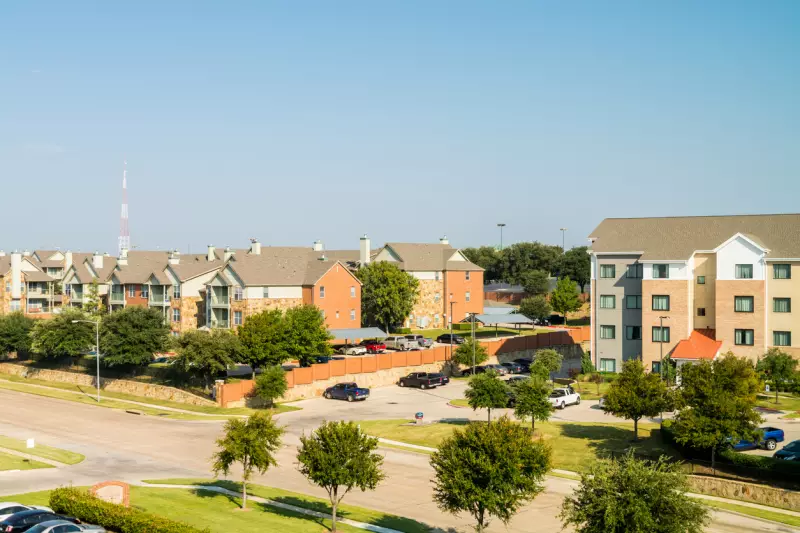
With a thriving economy and consistent population growth, Dallas-Fort Worth is a prime location for real estate investment. The median home price in the Dallas metro area is about $369,919, while the average monthly rent for single-family properties is $1,723. This gives a rent-to-price ratio of approximately 0.56%, a solid return for investors looking for rental income. The market has seen impressive equity growth, with a 9.02% increase in just one year and 117.64% over the past decade.
Dallas' population has surged by 26.72% over the last 12 years, and it is expected to exceed 10 million residents by 2030. Job growth continues to outpace the national average, with over 64,000 new jobs added in the past year.
BIRMINGHAM, AL
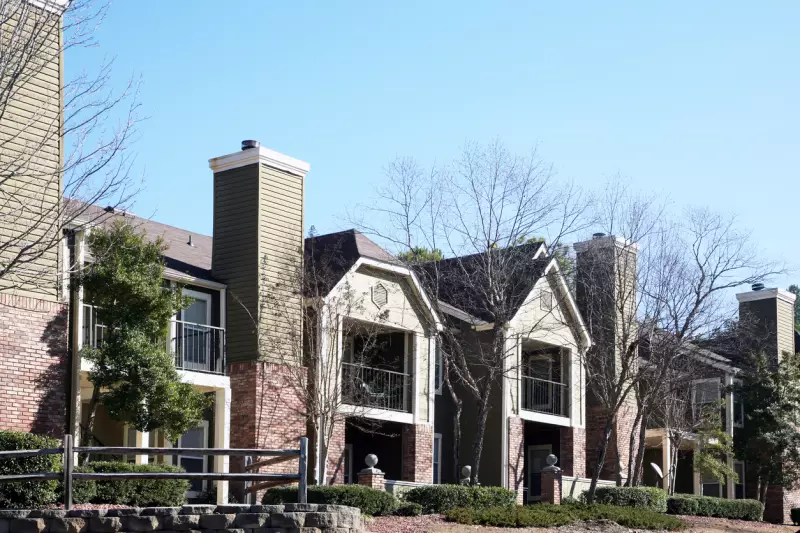
Birmingham, Alabama, combines affordability and economic stability with consistent rental demand, making it one of the best places to buy rental properties in the U.S. The median home price in the Birmingham-Hoover metro area is approximately $245,939, making it about 31% below the national average. With an average monthly rent of $1,314, the market offers a strong rent-to-price ratio of roughly 0.53%, appealing to investors seeking reliable cash flow.
The city's economic shift towards healthcare, aerospace, technology, and financial services has strengthened long-term stability. Over the last year, Birmingham added over 10,600 jobs, achieving a 1.9% job growth rate that exceeds the national average. Property values have increased steadily with 79.23% appreciation over the past decade, while rents have risen 34.64% in the same period.
CHARLOTTE, NC
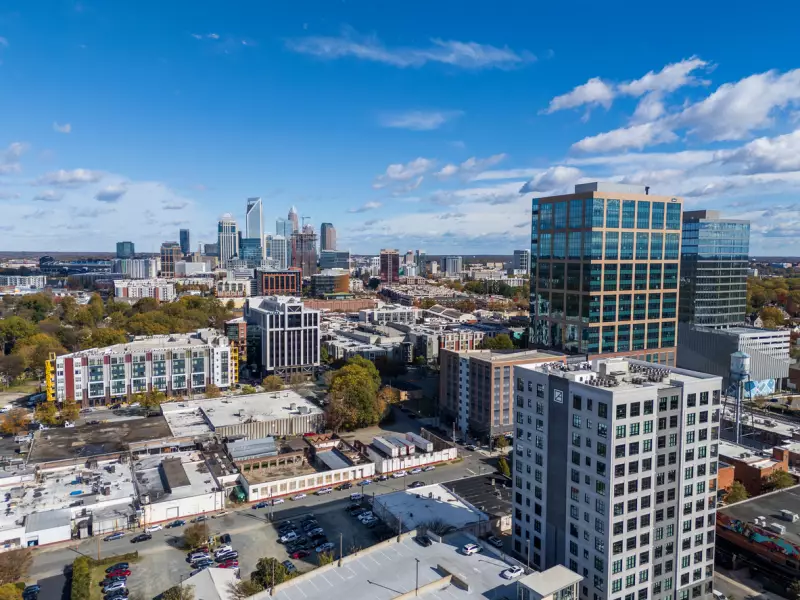
Charlotte, North Carolina, ranks among the best places to buy rental properties in the U.S., thanks to fast population growth, strong rental demand, and steady economic expansion. The median home price in the metro area is about $375,991, while the average rent is $1,774, giving investors a solid rent-to-price ratio of about 0.47%.
Over the past decade, home values have surged 125.40%, and rents have grown 52.92%, reflecting a market with both strong appreciation and dependable cash flow. Rental stability remains a key advantage, with a 4.2% vacancy rate and nearly 48% of households renting. Charlotte's economy continues to expand, adding about 45,500 jobs in the last year.
LITTLE ROCK, AR

With affordable entry costs, robust cash flow potential, and a landlord-friendly environment, Little Rock, Arkansas, ranks as a top choice for U.S. rental property investment. The median home price is $214,000, while the average rent is $1,200, producing a rent-to-price ratio of roughly 0.67%. Nearly 46% of households rent, and the market benefits from consistent growth and tenant stability provided by healthcare, education, and government sectors.
Little Rock has experienced 42.9% home appreciation over the past decade, with a 4.1% annual growth rate, while rents have risen steadily. Job creation remains strong, with over 12,000 new jobs added within the last year, and unemployment sits at a low 2.7%.
INDIANAPOLIS, IN
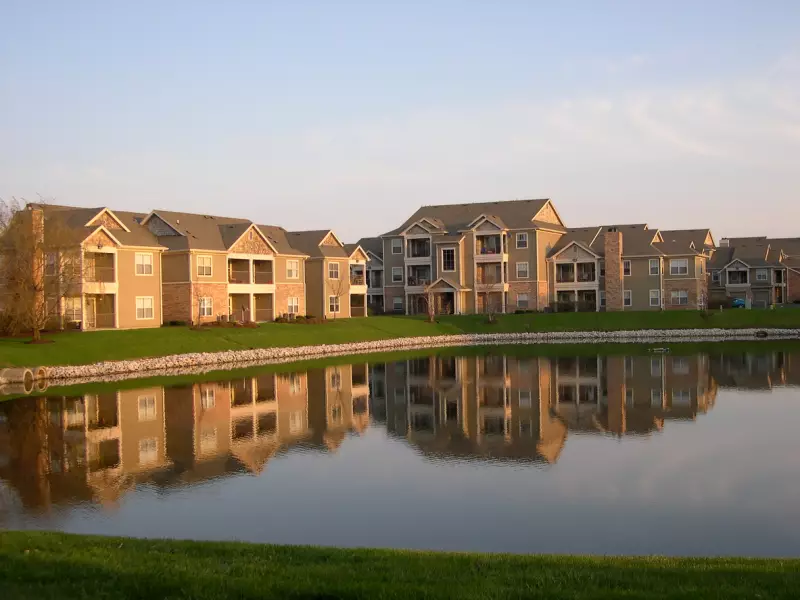
Indianapolis offers a strong combination of affordability, steady rental demand, and long-term appreciation. The median home price in the metro is around $272,161, while the average monthly rent is $1,487, resulting in a rent-to-price ratio of roughly 0.65%, one of the highest yields in the Midwest.
Over the past decade, home values have increased by 90.54%, and rents have risen by 45.32%, reflecting steady investment returns. The city benefits from a 5.2% rental vacancy rate and a diverse economy spanning logistics, insurance, and education.
COLUMBUS, OH

With its combination of affordable housing, reliable rental demand, and a diverse economy, Columbus, Ohio, is one of the top U.S. markets for buying rental property. The median home price is about $315,000, while the average rent sits at $1,450, giving investors a competitive rent-to-price ratio of about 0.46%. Rental demand is strong, with a low 4.1% vacancy rate driven in part by students at the Ohio State University and a growing population of young professionals.
The market shows consistent stability, with 4.1% annual home appreciation and 4.47% yearly rent growth. Columbus maintains a low unemployment rate of 3.9% while adding about 6,800 jobs over the past year.
TULSA, OK

Tulsa, Oklahoma, is quickly earning a spot among the best places to buy rental properties in the U.S., thanks to its blend of strong rental demand, affordability, and steady growth. Nearly 48% of households are renter-occupied, and vacancy rates hold around 7.5%, supported by a growing population and a diverse economy anchored in energy, aerospace, and finance.
The median home price in the city is around $228,000, and the average rent is about $1,359. Investors can secure a healthy cash flow while benefiting from 4-5% annual appreciation. Tulsa added 12,000 new jobs over the past year and maintains a low 2.9% unemployment rate, strengthening long-term housing demand.
KANSAS CITY, MO

Affordable housing, strong rental demand, and landlord-friendly policies make Kansas City, Missouri, a compelling choice for rental property investment. Over the past decade, home values in Kansas City have increased 95.97%, while rents have risen 56.35%, reflecting long-term appreciation potential.
Kansas City reports a median home price of around $293,881, and a monthly rent of $1,415 monthly, giving it a rent-to-price ratio of roughly 0.57%, which provides reliable cash flow for investors. The city also benefits from a diverse economy, a low 3.3% unemployment rate, and ongoing infrastructure improvements.
BUFFALO, NY
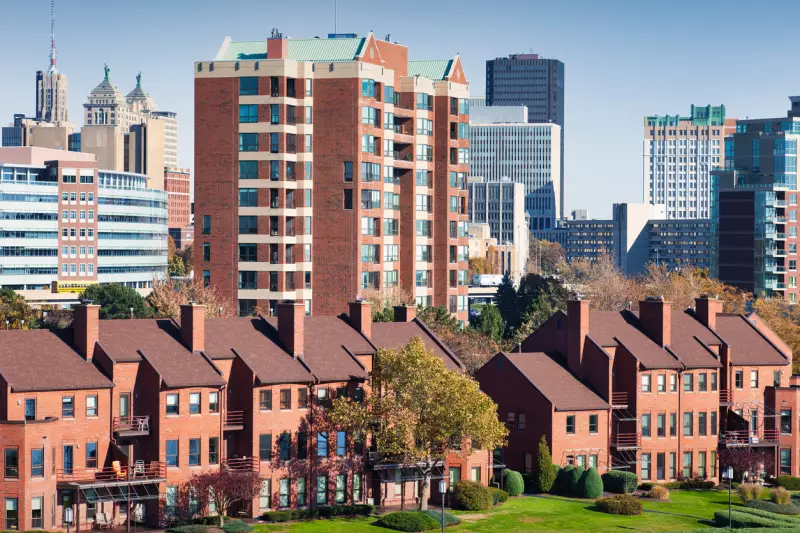
Buffalo, New York, offers some of the strongest cash flow opportunities in the Northeast. With a median home price under $150,000 and average rents around $1,250, the city delivers a rent-to-price ratio exceeding 1%. Rental demand is high, fueled by students from the University at Buffalo, young professionals, and working-class tenants.
Buffalo's economy is diversified across healthcare, higher education, logistics, and green energy, providing stability for landlords. Additionally, the city is poised for steady appreciation and reliable rental income as remote workers continue to seek out lower-cost housing in Upstate New York.
HUNTSVILLE, AL
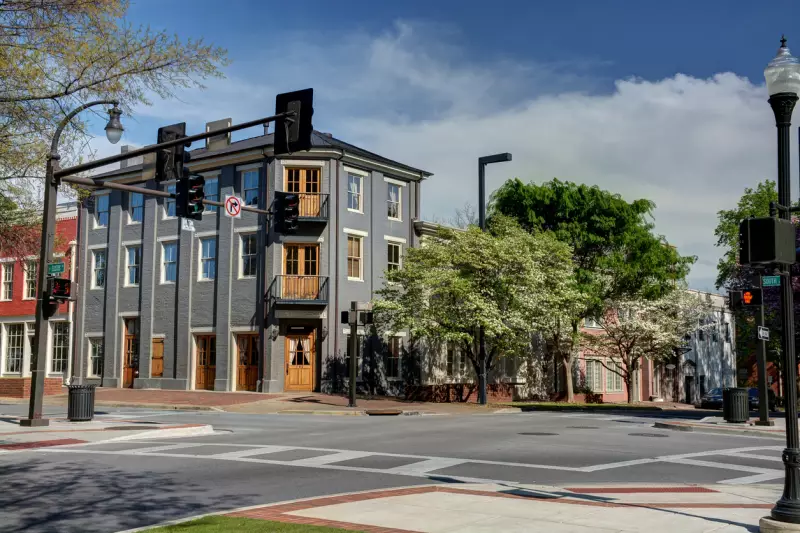
With 43% renter occupancy, low unemployment, and ongoing population expansion, Huntsville, Alabama, ranks among the best places to buy rental properties, offering stability and long-term upside for buy-and-hold investors. Huntsville's economy is anchored by NASA-scientific research, Redstone Arsenal-defense, and a fast-expanding aerospace and engineering sector, fueling 2.2% annual job growth and keeping rental demand high.
Huntsville's median home price is about $301,000, well below many tech-driven metros, and average rents at $1,468, up 65% in the past decade. The city delivers a rent-to-price ratio near 0.49%, offering dependable cash flow from rental property investment. Long-term performance is equally strong: home values have increased by about 90% in the past decade.
DAYTON, OH

Dayton offers investors high returns at very affordable entry points. The median home price sits around $165,000, while renovated rental properties command rents near $1,300 per month, for a rent-to-price ratio of about 0.94%. With 53% of households renting and a vacancy rate of 4.7%, Dayton provides consistent cash flow opportunities.
The city's economy is anchored by healthcare, higher education, and aerospace, which ensures employment stability and a steady tenant base. Dayton is a top U.S. rental market thanks to ongoing downtown revitalization, affordable housing, and steady rental demand, offering investors both high short-term income and long-term appreciation potential.
SAN ANTONIO, TX
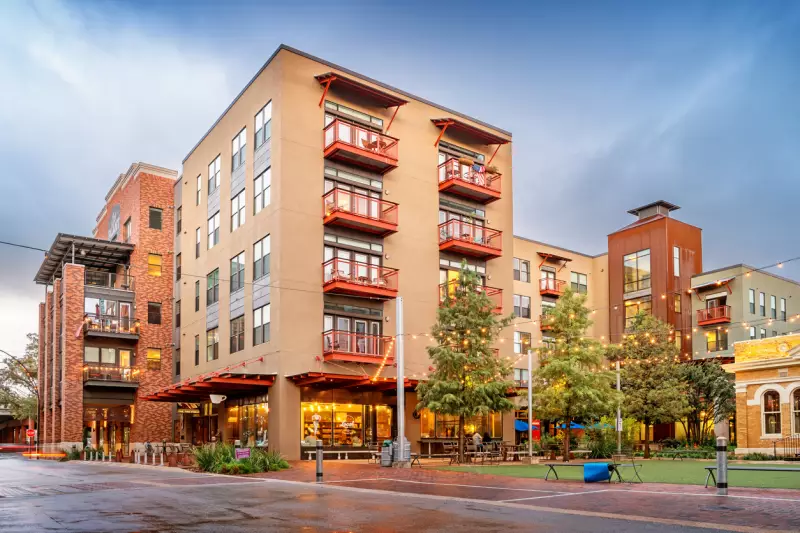
San Antonio offers a blend of affordability, rapid population growth, and long-term economic stability. Over the past decade, home values have risen 61% while rents have climbed 44%, signaling strong long-term upside for buy-and-hold investors. The city has a median home price of about $283,681 and average rents of $1,456.
San Antonio's economy is secured by military installations, healthcare, finance, cybersecurity, and tourism, sectors that collectively support 1.76% annual job growth, low unemployment, and steady housing demand. Nearly half of households are renters, and with the metro projected to double its population by 2040, purchasing a rental property offers a strong opportunity to capture growing demand and long-term income.
CLEVELAND, OH
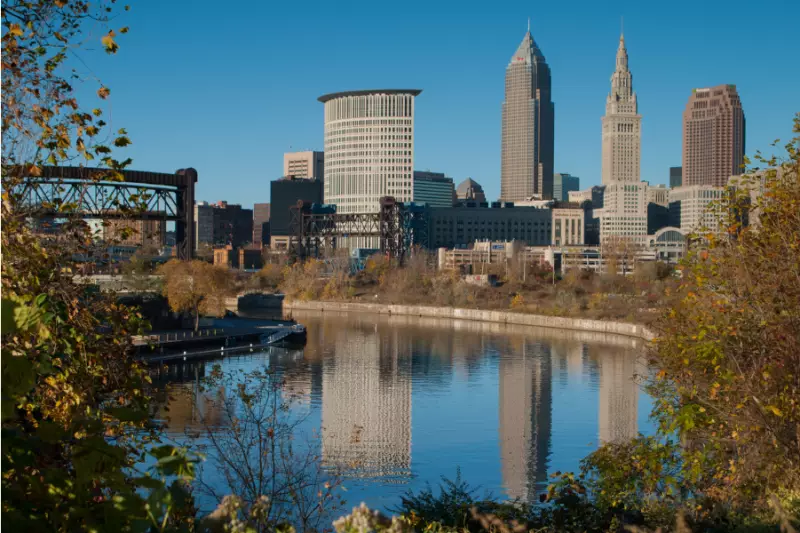
Cleveland, Ohio, stands out as one of the best places to buy rental properties due to its blend of ultra-affordable prices and strong rental performance. The median price for properties in the metro is about $211,000, while average rents sit at $1,316, with a rent-to-price ratio near 0.60%. Property demand remains steady, with 59% of households renting, and vacancy rates are around 4.9%.
The city's economy is anchored by a robust healthcare sector, higher education, and bioscience growth, which keeps the tenant base stable. Add in 7% annual property appreciation, a rental vacancy rate of 4.9%, and a 37.54% rent appreciation over the past decade. Cleveland offers investors a rare mix of strong cash flow, steady demand, and long-term value growth.
TAMPA, FL
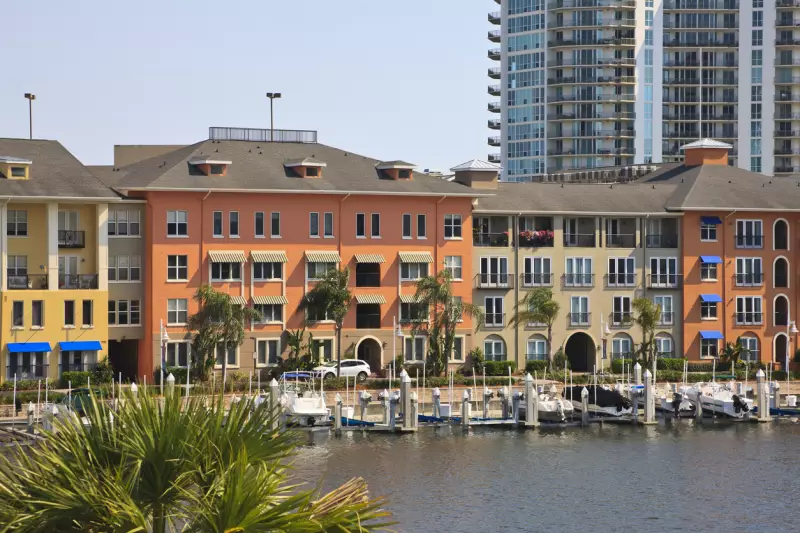
Investors consider Tampa, Florida, one of the best rental markets in the country due to its strong income potential and steady property appreciation. The city has a median home price of about $380,000, while average rents are at $2,000 monthly, resulting in a rent-to-price ratio of 0.63%, which is attractive for investors in a high-growth market.
The city's rental demand is rising due to rapid population growth fueled by inbound migration from higher-cost states, and a diversified economy spanning healthcare, tech, education, and tourism. Additionally, Tampa's zero state income tax, rising home values, and ongoing infrastructure investment offer investors reliable cash flow and potential portfolio growth.
NASHVILLE, TN
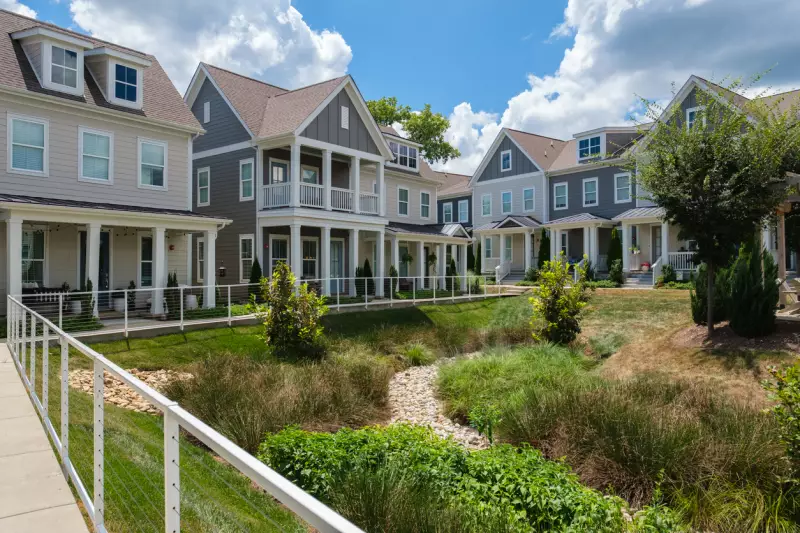
Nashville, Tennessee, is considered one of the top U.S. markets for rental property investment thanks to rising rents, a strong job market, and steady population growth. The median home price is around $390,000, while the average rent is about $2,400 monthly. The city's rental market benefits from a 7.5% vacancy rate, and high demand is fueled by tourism, corporate expansion, and consistent inbound migration.
Nashville has seen 8% year-over-year home value growth, with long-term appreciation supported by healthcare, tech, and education sectors. With a 0% state income tax and steady population influx, Nashville delivers strong cash flow and reliable appreciation.
Are the Best Places to Buy Rental Property the Same as the Best States?
The strongest rental markets in the U.S. are not always the same as the strongest states overall. Rental performance is closely tied to local economic conditions; to this end, metro-level trends often differ sharply from state averages. A state may look appealing on paper because of its overall affordability or stable population growth, yet individual cities within that state can perform very differently.
For example, Texas is generally considered a strong rental state because of its large economy and steady in-migration. However, rental conditions in Austin, where home prices have surged in recent years, look very different from those in San Antonio, where prices remain more moderate and rent-to-price ratios are stronger.
Similarly, Florida shows strong demand due to population growth, but metro-level outcomes vary widely. Miami is expensive, with tighter cash flow potential, while cities like Tampa or Jacksonville usually offer more favorable rent-to-price ratios.
These variations highlight why metro-level analysis is crucial. Statewide statistics provide a broad view of affordability and economic health, but rental outcomes hinge on local job markets, migration patterns, rent levels, and property prices.
The best place to buy rental properties is determined by a combination of data-driven metrics, local economic strength, and each investor's individual goals, whether that's maximizing cash flow, minimizing risk, or balancing long-term appreciation with rental income. Metrics like rent-to-price ratios, vacancy rates, population growth, and employment stability help identify markets where rental properties are likely to perform well. However, no single ranking captures the full picture as cities and even neighborhoods within the same state can differ widely.
For long-term success, prospective investors should focus on understanding fundamental trends, including housing supply, local job markets, and demographic shifts, rather than relying solely on top-ten lists or national rankings. Careful analysis ensures that decisions are based on the realities of each market, helping buyers make informed choices that align with both their financial objectives and risk tolerance.
Frequently Asked Questions (FAQs)
What are the best cities to buy rental property right now?
What makes a city good for rental property investing?
Are affordable markets better for cash flow?
What is a rent-to-price ratio?
Do high-growth cities always offer good returns?
Which states are known for strong rental property markets?
How often do rental market rankings change?

Martta Weiss is a property research specialist focused on improving transparency and access to U.S. real estate records. Her work centers on ownership history, recorded transfers, foreclosure activity, lien filings, and long-term market shifts, transforming complex public data into clear, actionable insights.
At PropertyRecords.com, Martta analyzes county and state property datasets to create research-driven content that helps investors, real estate professionals, homeowners, and everyday buyers better understand recorded property history and ownership trends nationwide.