The Most Overpriced Housing Markets in America
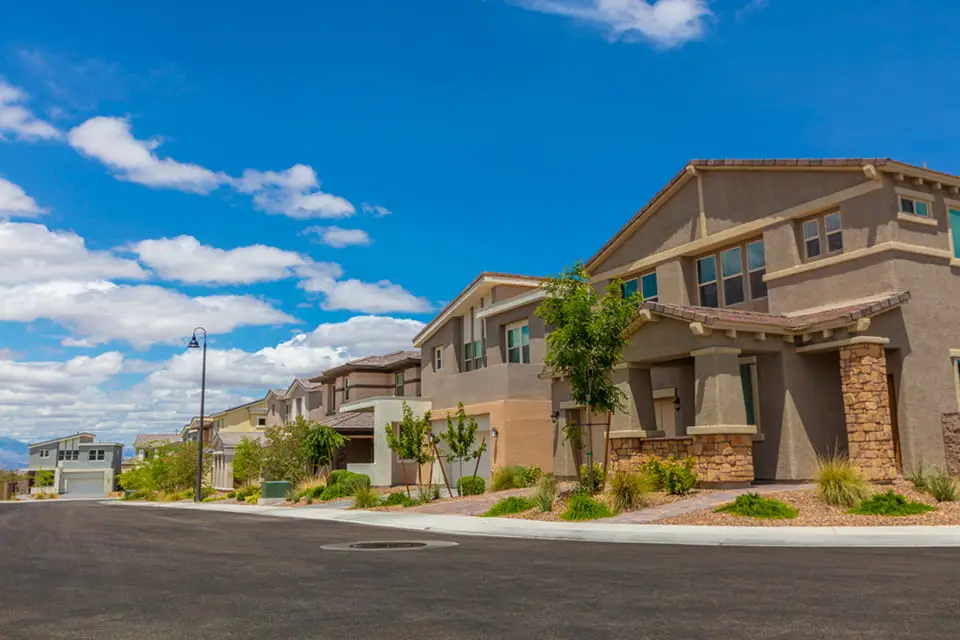
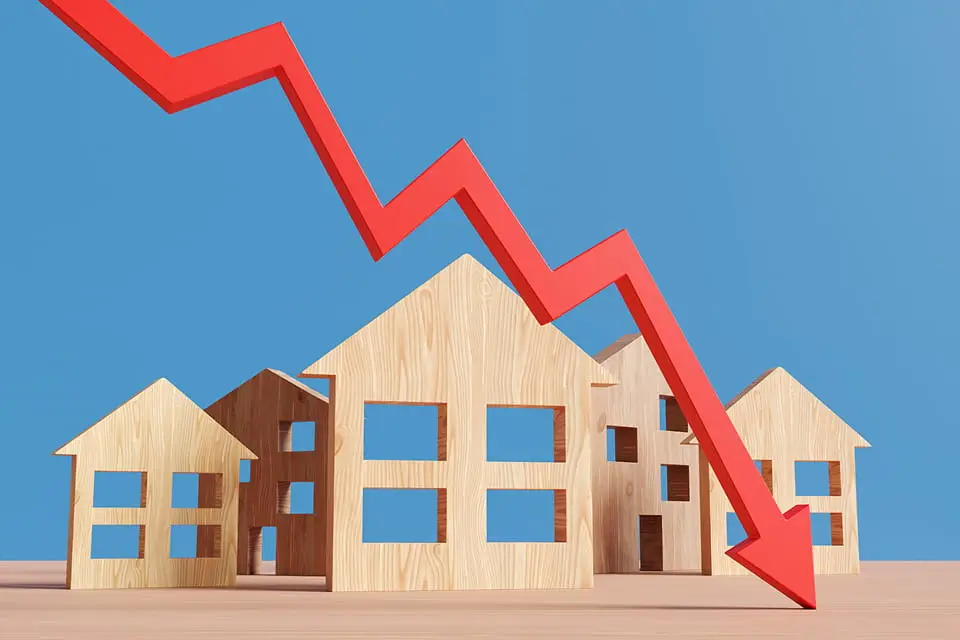
In real estate, a housing market is considered "overpriced" or "overvalued" when home prices rise far beyond what local economic fundamentals can reasonably support. This happens when sale prices grow faster than household incomes, typical rents, job growth, or available housing supply.
In these markets, buyers may pay significantly more for a home than what underlying conditions, such as wage levels or demand-to-inventory ratio, would normally justify. These gaps can develop gradually, over years of tight supply and high demand, or rapidly, during periods of intense competition or speculative buying.
While an overpriced market does not automatically signal a downturn, it does indicate a disconnect between current prices and the economic factors that traditionally anchor long-term housing values.
What Makes a Housing Market Become Overvalued?
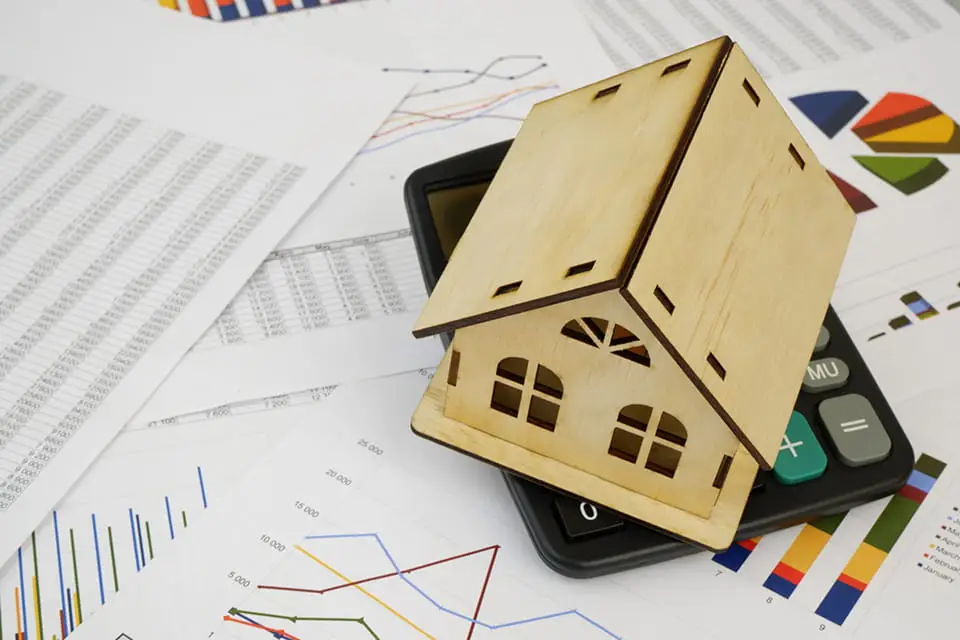
Analysts use several common metrics to identify why a home price would rise far beyond what local economic fundamentals can support. While different researchers rely on various models, the underlying idea is the same: that home prices should align with what people in that area can afford. Here's how analysts measure overvaluation:
- Price-to-Income Ratios: Homes are considered overpriced when their costs climb much faster than local wages. If incomes stay mostly flat but the median home price jumps, it signals that buyers are paying more than the local economy can realistically support.
- Price-to-Rent Ratios: Analysts compare the cost of buying a home to the cost of renting one. When buying becomes significantly more expensive than renting, it implies that prices are inflated rather than driven by fundamentals.
- Long-Term Price Trends: Economists examine how quickly home prices have risen compared with historical norms. If prices spike far above typical growth patterns, it may indicate unsustainable appreciation.
- Local Job Market and Population Trends: Strong job growth and rising population usually push prices up. If prices are climbing much faster without these supporting factors, the market may be overvalued.
Several forces can push price levels higher than the local economy would justify:
- Limited Housing Supply: When few homes are available, due to slow construction, zoning limits, or geography, competition among buyers can push prices beyond local income levels.
- High Demand from Population Growth or Migration: Rapid population growth or a surge in demand, often driven by relocations, remote workers, or investors, can push prices above what residents can realistically afford.
- Investor or Speculative Activity: When investors purchase homes expecting prices to keep rising, this can inflate values beyond what residents can afford.
- Pandemic-era Remote Work Shifts: Many smaller or mid-size cities experienced price surges when remote workers moved in from higher-cost metros, quickly raising values without a matching increase in local incomes.
- Low Interest Rates: Cheaper borrowing can temporarily boost buying power, allowing prices to climb faster than wages.
- Emotional or Competitive Home Buying: In very tight markets, buyers may overbid to secure a home, even if the price doesn't align with fundamentals.
The Most Overpriced Housing Markets in US
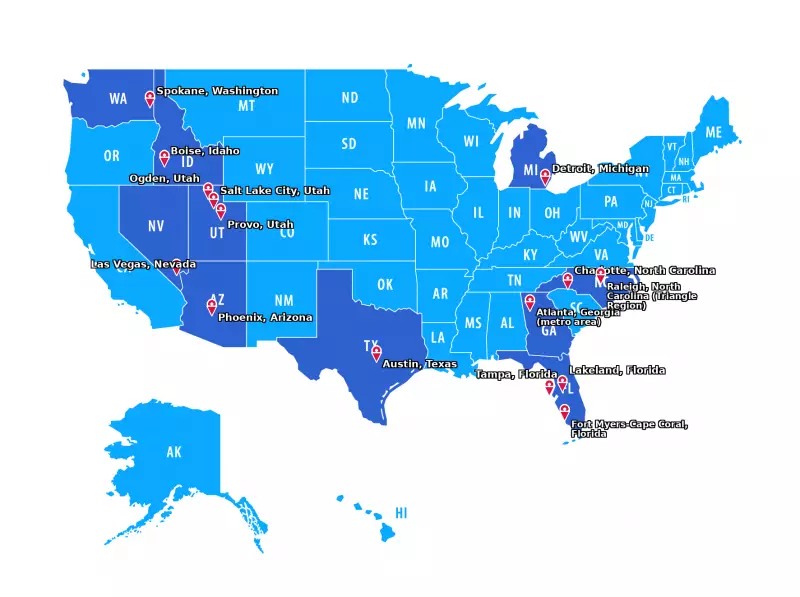
Based on recent data from Money, here are some of the most overpriced housing markets in America.
Boise, Idaho
Homes in Boise are estimated to be about 73% more expensive than what long-term historical price trends would normally suggest. In concrete terms, homes that should be priced at $299,000 based on historical trends are now selling for around $516,000, a premium of over $200,000.
This is largely due to the surge in in-migration and remote work relocations, which sharply increased housing demand. However, local income growth and rental levels haven't kept pace with that jump, creating a large premium.
Austin, Texas
Austin appears high on overvaluation rankings, with premiums around 68% over trend-based valuations. The region's rapid tech-sector expansion, strong job market, and national profile as a high-growth innovation hub brought a major influx of new residents, especially during the pandemic years.
However, wages for many long-term local workers did not keep pace with the rapid rise in home values. Inventory also remained tight, as demand outpaced new construction and available resale homes.
Ogden, Utah
Ogden shows roughly 65% overvaluation compared to its long-term pricing baseline. The metro attracts buyers priced out of Salt Lake City and people relocating from higher-cost western states. Yet Ogden's local wage growth has been modest compared to the surge in demand. Limited housing supply, combined with increased investor interest in smaller western metros, has intensified competition, pushing sales prices beyond levels supported by long-term economic indicators.
Las Vegas, Nevada
Las Vegas real estate appears about 61% overvalued based on long-term trend estimates. The metro continues to draw a steady stream of people relocating from states like California, and other high-cost states, adding to a market with a historically constrained supply.
Investor activity, particularly during the pandemic, further reduced available inventory for typical homeowners. Although Las Vegas has shown strong job recovery, local incomes and rent trends have not risen quickly enough to keep pace with home price appreciation.
Atlanta, Georgia (metro area)
With home prices running around 59% above trend-based estimates, Atlanta is frequently cited among the top overvalued markets. The metro's appeal, booming job opportunities, relative affordability compared with coastal cities, and significant domestic migration have created intense competition, especially in starter-home categories. However, median local incomes and pre-pandemic home values have not grown as rapidly as sales prices.
Phoenix, Arizona
Phoenix shows an estimated overvaluation of 57% above historical pricing norms. The city has been a magnet for population growth, drawing residents from colder climates and higher-cost western metros. Demand accelerated during the pandemic, but inventory lagged. Combined with construction-labor shortages and investor purchases, the market saw rapid appreciation that outpaced local wage growth and rental trends.
Provo, Utah
Provo and nearby regions show an overvaluation of 57% relative to historical value trends. Demand from people relocating from more expensive metros, along with limited coastal housing supply, has driven values well above what local incomes can afford.
Fort Myers-Cape Coral, Florida
The Fort Myers/Cape Coral region is estimated at 56% above long-term value expectations. Southwest Florida experienced a surge in demand from out-of-state buyers seeking warmer climates, work-from-home flexibility, and lower taxes.
Yet the area's coastal geography limits large-scale housing development, and rebuilding needs following storms have further constrained supply. These pressures have kept prices elevated, while local income growth and the rental market have failed to keep pace.
Spokane, Washington
With prices roughly 56% above trends, Spokane, Washington, ranks among the overvalued housing markets. As more buyers moved inland from Seattle, Portland, and other high-priced cities, Spokane faced intensified demand that outpaced available housing. The region's wage levels and historical appreciation rate lag behind the pace of recent price increases, creating an affordability mismatch.
Salt Lake City, Utah
Salt Lake City shows an overvaluation of 56% above long-term pricing trends. Growth in employment opportunities and population inflow has boosted housing demand in the city. However, affordability metrics show a significant gap in locals' ability to afford homes given their income.
Charlotte, North Carolina
Charlotte appears on this overvaluation list, with premiums around 55% beyond what historical trends would predict. The city's economy experienced significant growth, coupled with inbound migration, which has driven high demand for real estate and increased its prices. However, income growth and supply have not kept up.
Lakeland, Florida
Estimates show that home prices in Lakeland are roughly 53% above what long-term trend models suggest. Lakeland's overvaluation is largely tied to Florida's population surge and demand for relatively lower-cost housing compared with nearby metros, such as Tampa or Orlando. Furthermore, limited inventory, especially in entry-level price ranges, helped push prices upward faster than local wages or rental markets can support.
Tampa, Florida
Tampa homes are overvalued, with prices estimated to be about 52% above long-term expectations. Demographic trends, migration from higher-cost states, retirees seeking warmer climates, and remote workers have pushed buyer demand to unusually high levels in recent years.
Although construction activity increased, the region continues to face inventory constraints in popular neighborhoods. This has led to sale prices accelerating faster than income growth or rent levels.
Raleigh, North Carolina (Triangle Region)
Raleigh homes are around 51% overvalued in long-run price trend comparisons. The Triangle area benefits from strong job growth, especially in tech, research, education, and healthcare. This economic success has drawn new residents from across the country, intensifying demand for both rental and owner-occupied housing.
However, the region's rapid population increase and high-income arrivals have created upward pressure on prices. Even with new construction, the available supply has not grown at the pace needed to match demand, and home prices may not have grown faster than what local incomes can justify.
Detroit, Michigan
Research based on price-trend modelling estimates that homes in the metro may be 40-51% above predicted sales. Unlike fast-growing Sun Belt or tech metros, Detroit has not seen a comparable surge in population or incomes. However, post-pandemic investor activity and limited inventory in move-in-ready homes have pushed up real estate prices in the city.
Consequences of Overpriced Housing Markets
When home prices rise far above what local incomes, rents, and long-term trends support, the effects tend to show up gradually rather than through sudden shocks. Here are some common consequences of overpriced housing markets:
- Reduced Affordability for Local Residents: When prices outpace wages, more households struggle to qualify for mortgages, save for down payments, or compete with higher-income buyers from other regions. This can shift the market towards investors or wealthier newcomers rather than long-time local families.
- Slower Pace for Future Price Growth: Markets that have appreciated unusually quickly usually experience a cooling period as buyers pull back or become priced out. In some cases, prices flatten or grow more slowly until incomes, rents, and demand realign with long-term fundamentals.
- Increased Sensitivity to Economic Changes: Highly overvalued regions tend to react more noticeably to rising interest rates, job market shifts, or changes in migration patterns. Even a modest decline in demand can lead to elevated inventory levels or longer days on market, especially if sellers hold on to pricing expectations that no longer match market conditions.
- Increased Rental Pressure: Overpriced markets may also see greater rental pressure, as would-be buyers remain in the rental market longer. This can push up rents, tighten vacancy rates, and increase the cost of living across the entire housing ecosystem.
Will These Markets Stay Overpriced?
Overvaluation can persist for a long time, especially in regions where demand continues to outweigh supply and nothing in the local economy is forcing the prices to adjust. In many U.S. cities, home values remain elevated for years because strong job markets, population growth, and limited inventory keep upward pressure on prices even when those prices exceed what local fundamentals suggest.
In markets with steady migration, such as tech hubs or areas attracting remote workers, overvaluation typically becomes a long-term condition rather than a temporary imbalance. Buyers from higher-cost states may still view those home prices as "affordable", which can support elevated values even if local incomes lag.
However, overpriced markets tend to be more sensitive to broader economic shifts. Rising mortgage rates, slowing job growth, or changing migration patterns reduce buyer demand, causing prices to cool or level off.
Construction activity is another stabilizing factor. When home building rises, it can ease excess demand and reduce price premiums. However, if regulations or limited land restrict new development, overvaluation usually persists.
Overpriced housing markets are a product of complex economic, demographic, and structural forces interacting over time. Local job growth, migration flows, construction constraints, investor activity, and broader macroeconomic conditions all influence whether home prices drift above what local fundamentals might suggest.
While these markets typically attract significant attention, overvaluation does not necessarily indicate imminent correction; many regions can sustain elevated price levels for years when demand remains strong relative to supply.
For anyone trying to understand housing dynamics, the most valuable approach is to examine the underlying conditions shaping a particular market. Evaluating factors such as population trends, income growth, housing inventory, and affordability pressures can provide useful context for interpreting why prices behave the way they do.
Frequently Asked Questions (FAQs)
What does it mean when a housing market is "overpriced"?
How do experts determine whether a market is overvalued?
Are overpriced markets more likely to see price drops?
Are the most expensive cities also the most overpriced?
Why do some overvalued markets stay expensive for years?
What risks do buyers face in overpriced housing markets?

Martta Weiss is a property research specialist focused on improving transparency and access to U.S. real estate records. Her work centers on ownership history, recorded transfers, foreclosure activity, lien filings, and long-term market shifts, transforming complex public data into clear, actionable insights.
At PropertyRecords.com, Martta analyzes county and state property datasets to create research-driven content that helps investors, real estate professionals, homeowners, and everyday buyers better understand recorded property history and ownership trends nationwide.