The Most Expensive ZIP Codes in the U.S. for Real Estate
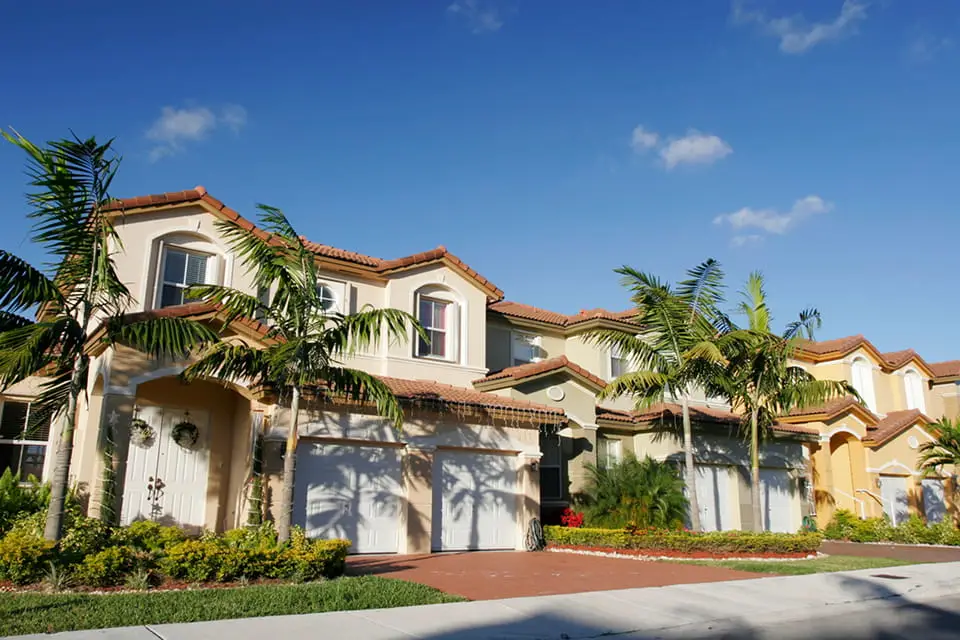
Real estate values in the United States can vary drastically from one neighborhood to the next, and one of the most precise ways to examine this variation is at the ZIP code level. A ZIP code's median home price reflects a combination of factors, including local demand, access to amenities, scarcity of available properties, and overall economic strength.
Highly sought-after areas often command premium prices due to desirable schools, proximity to employment centers, recreational and cultural offerings, or limited housing supply. While certain ZIP codes consistently rank among the most expensive, rankings shift year-to-year as market conditions, buyer preferences, and regional economic trends evolve.
How Do We Determine the "Most Expensive" ZIP Codes?
Identifying the most expensive ZIP codes relies on measurable real estate metrics that capture both current market conditions and historical trends, rather than subjective impressions. These metrics typically include:
- Median Sales Price: It is the most commonly used metric. The median sale price of homes represents the midpoint of all home sales in a ZIP code. The median is preferred over the average because it is less influenced by extremely high-end sales, providing a more accurate picture of typical home values.
- Price Per Square Foot: Measure how much a buyer pays for each square foot of living space. It allows for comparison across homes of different sizes and highlights areas where land or construction costs are particularly high.
- Listing Price: The price at which a home is offered for sale. It reflects the seller's expectations, perceived market demand, and neighborhood desirability and can signal trends before sales data are finalized.
- Year-over-Year Appreciation: The percentage change in home values compared with the same period in the previous year. It indicates market momentum, showing which areas are gaining value fastest and which may be stabilizing or cooling.
- Inventory Levels: The number of homes available for sale in a ZIP code. Low inventory typically drives competition and higher prices, while higher supply can moderate price growth.
Data sources commonly include the Multiple Listing Service (MLS), real estate analytics firms, and public property records, all of which track transaction details, property characteristics, and market trends. Combining these metrics helps identify ZIP codes where housing demand, limited supply, and high economic value converge, resulting in the highest real estate prices.
Are the Most Expensive ZIP Codes the Same as the Most Expensive Cities?
The most expensive ZIP codes in the U.S. don't always align with the priciest cities overall. ZIP codes are smaller areas within a city or metropolitan region, and their home prices can vary dramatically even within the same city. A city may have a high median home price overall, but certain neighborhoods within it may be significantly more or less expensive than the city average.
For example, Beverly Hills, CA 90210, is one of the priciest ZIP codes in the country, but other parts of Los Angeles have much lower home values. Similarly, Manhattan's 10013 ZIP code in New York commands extremely high prices, while other borough neighborhoods remain comparatively affordable. Conversely, some smaller cities may appear affordable on a city-wide basis but contain individual ZIP codes with very high prices due to scarcity, local amenities, or exclusive housing.
What Makes a ZIP Code Expensive?
Several factors contribute to why some ZIP codes in the U.S. command exceptionally high home prices.
- Limited Housing Supply: Low inventory creates competition and drives up prices, especially in established or geographically constrained areas.
- Prime Locations: Oceanfront, lakefront, or mountain-adjacent properties are highly desirable due to views, recreation, and prestige.
- Top School Districts: Families usually pay premiums to access highly rated public or private schools.
- Proximity to Job Hubs: Areas near tech centers, financial districts, or major corporate headquarters attract high-income professionals.
- Luxury Amenities: Golf courses, private clubs, exclusive shopping, and cultural institutions elevate desirability.
- Historic or Architecturally Significant Properties: Older homes with distinctive design or landmark status can command premium prices.
- High-income Residents: Concentrations of wealthy buyers reinforce demand and sustain price levels.
- Investment Interest: Institutional or individual investors targeting limited high-end inventory can amplify price growth.
- Zoning and Development Restrictions: Strict local regulations limit new construction, increasing scarcity and price pressure.
To put this in perspective, the national median sales price is currently around $413,500. In contrast, luxury ZIP codes such as 90210 (Beverly Hills, CA) or 10013 (Lower Manhattan, NY) often have median prices ranging between $3-5 million. This comparison shows the huge gap in scale and affordability between typical U.S. homes and the highest-priced ZIP codes.
The Most Expensive ZIP Codes in the U.S.
Based on the latest data from the RobbReport, here is a list of the 15 most expensive ZIP codes in the United States:
33109 - Fisher Island, Miami Beach, FL
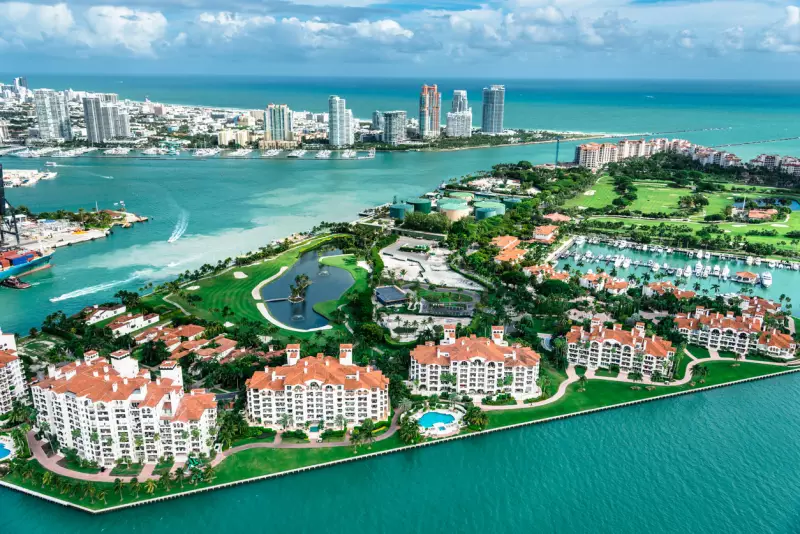
Fisher Island, located just off the coast of Miami Beach, Florida, is currently ranked as the most expensive ZIP code in the U.S., with a median home price of approximately $9.5 million. Accessible only by ferry or private yacht, the island offers exclusive luxury condos, waterfront estates, private beaches, and deep-water marina access. Its ultra-private location and sweeping view of Biscayne Bay and the Atlantic Ocean sustain exceptionally high property values.
94027 - Atherton, CA
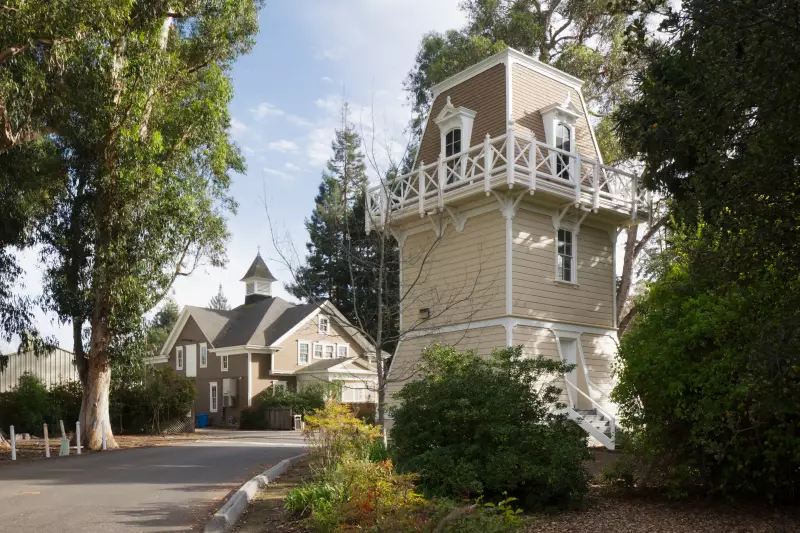
Atherton, located in San Mateo County within Silicon Valley, California, is the second-most-expensive ZIP code in the U.S., with a median home price of approximately $8.33 million. The area is known for large single-family estates with custom architecture and luxury amenities, and high incomes, strict zoning, limited land, and proximity to Silicon Valley keep inventory scarce and property values consistently high.
11962 - Sagaponack, NY
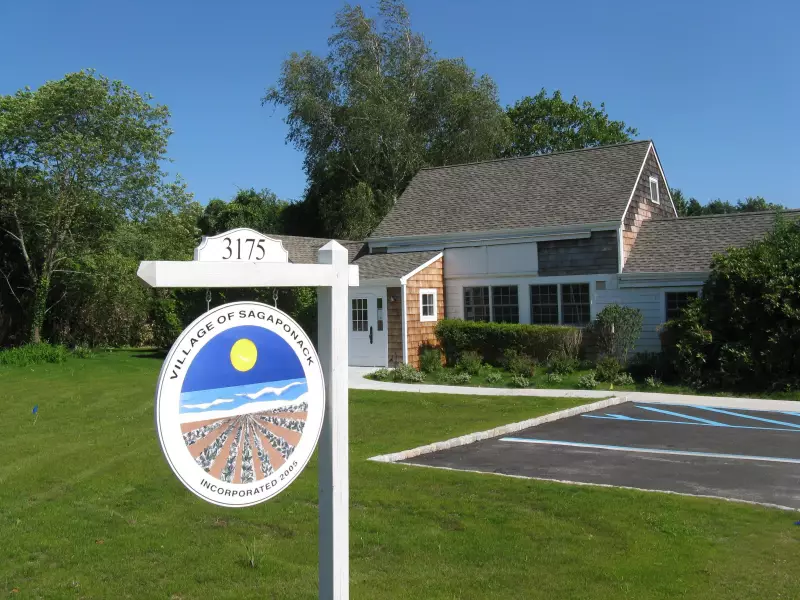
Sagaponack, located in the Hamptons on Long Island, New York, is currently the third-most-expensive ZIP code in the U.S., with a median home price of about $5.93 million. The area features seaside estates and luxury seasonal residences with large grounds, offering privacy, beach access, and scenic surroundings. Its proximity to New York City makes it a coveted retreat for wealthy buyers seeking both exclusivity and convenience.
92661 - Newport Beach, CA
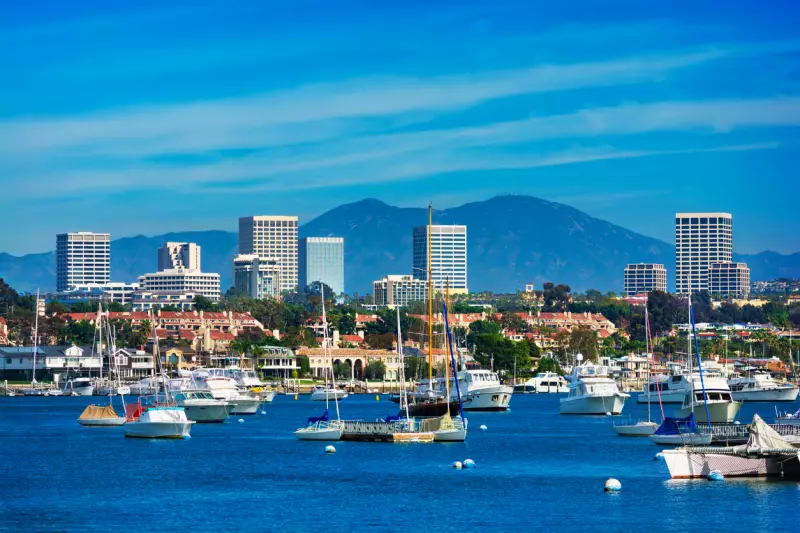
Located in coastal Orange County, California, Newport Beach's 92661 ZIP code is among the most expensive in the U.S., with a median home price of about $5.72 million. The area features luxury oceanfront homes, gated estates, and resort-style amenities, offering high-end living with private beach access and scenic views. Its prime coastal location and exclusive neighborhoods sustain strong demand, making it a premier destination for affluent buyers.
11976 - Water Mill, NY
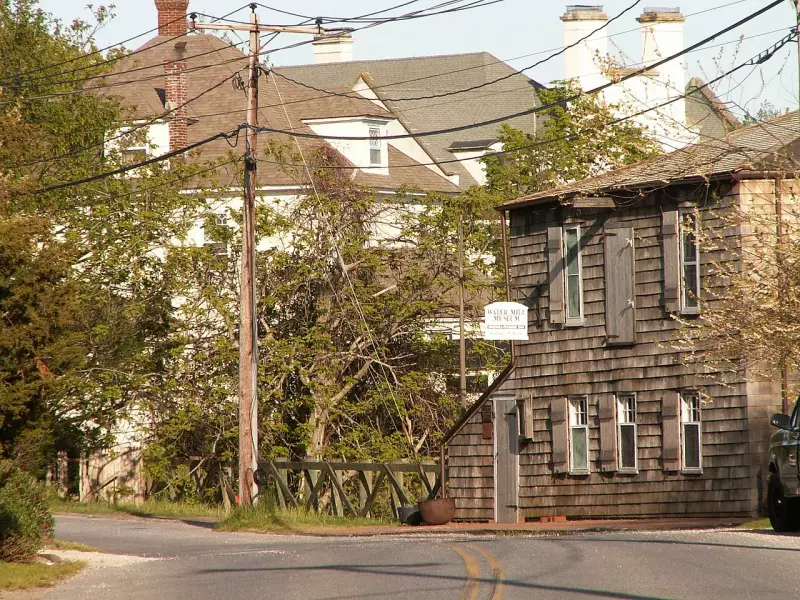
With a median home price of approximately $5.5 million, Water Mill is currently one of the most expensive ZIP codes in the United States. Located in the Hamptons on Long Island, New York, the area features large estate homes and expansive rural parcels, often near beaches and vineyards, offering privacy and luxury. Its combination of scenic surroundings and proximity to New York makes it highly desirable for high-net-worth buyers seeking exclusivity.
93108 - Santa Barbara, CA
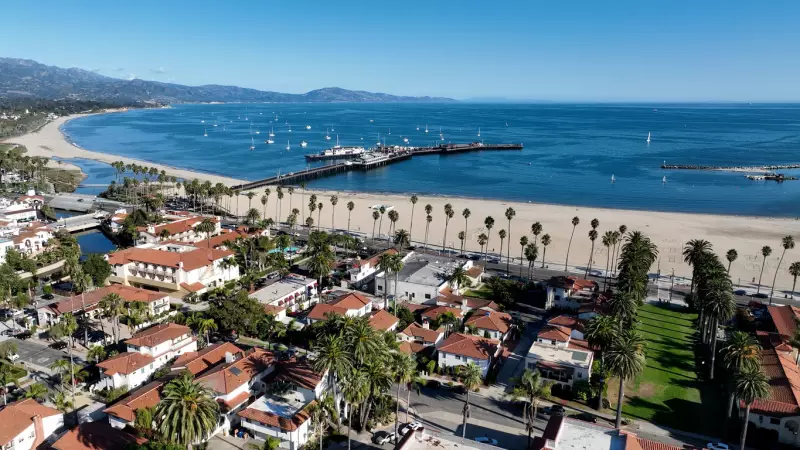
Santa Barbara's 93108 ZIP code, located along California's Central Coast, ranks among the most expensive locations. The area reports a median home price of about $5.24 million and features historic and modern luxury homes, usually perched on hillsides with Pacific Ocean views. Its desirable coastal climate, scenic surroundings, prestigious architecture, and high-end amenities make 93108 a highly sought-after location for high-net-worth buyers.
94970 - Stinson Beach, CA
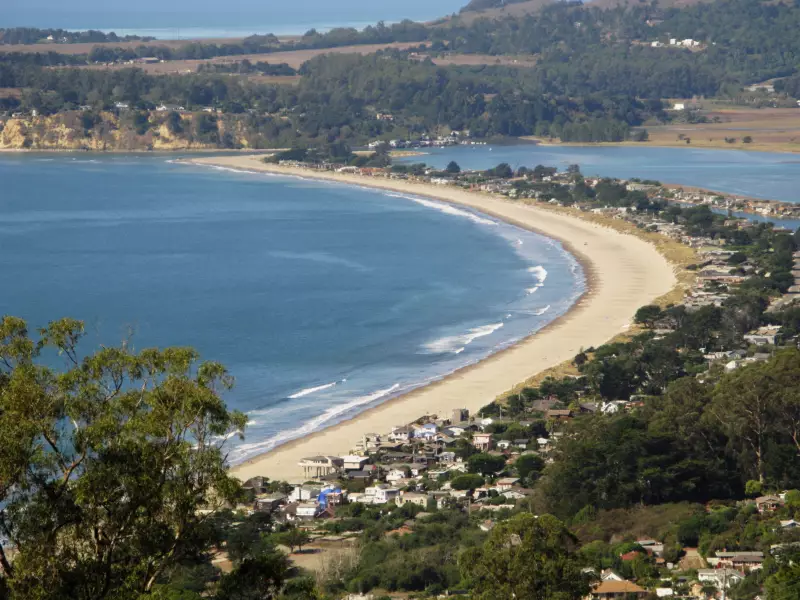
Stinson Beach, California, located along the northern San Francisco Bay, is among the most expensive ZIP codes, with a median home price of around $5.22 million. This small scenic community features predominantly single-family homes, including oceanfront cottages and custom estates. Limited land, high demand for waterfront properties, and the area's natural beauty sustain elevated home prices.
92657 - Newport Coast, CA
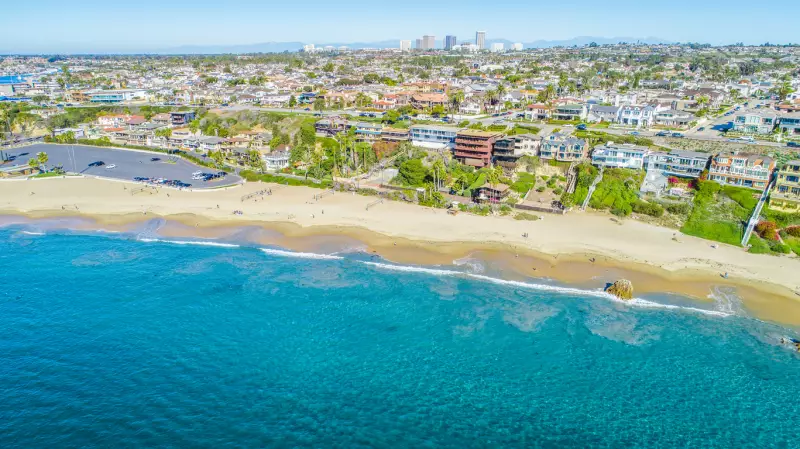
Located adjacent to Newport Beach in Orange County, California, Newport Coast has a median home price of about $5.19 million. The area features luxury planned communities, hilltop estates, and upscale villas, many with ocean and canyon views. Its combination of exclusive neighborhoods, high-end amenities, and scenic surroundings sustains high demand among affluent buyers seeking a premier coastal lifestyle.
94022 - Los Altos, CA
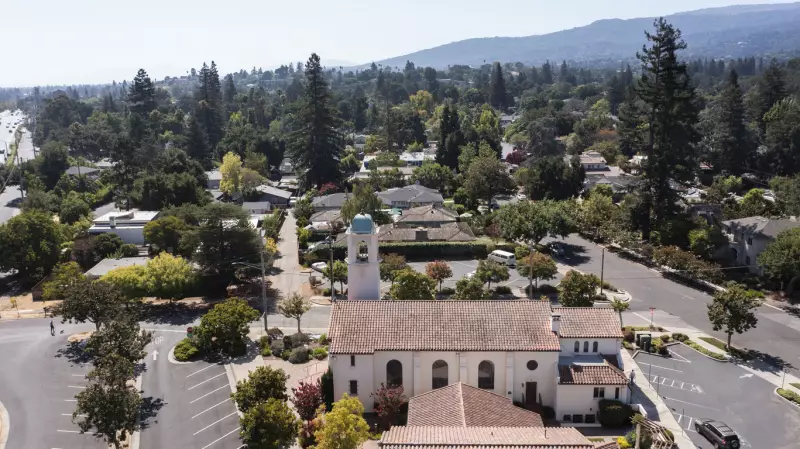
With a median home price of approximately $5.1 million, Los Altos ranks among the priciest ZIP codes. Located in Santa Clara County in the heart of Silicon Valley, California, the 94022 ZIP code features large single-family homes on generous lots, attracting high demand from tech-sector professionals. Proximity to major employers, combined with limited inventory, sustains strong property values and exclusivity in this prestigious Silicon Valley community.
92662 - Newport Beach, CA
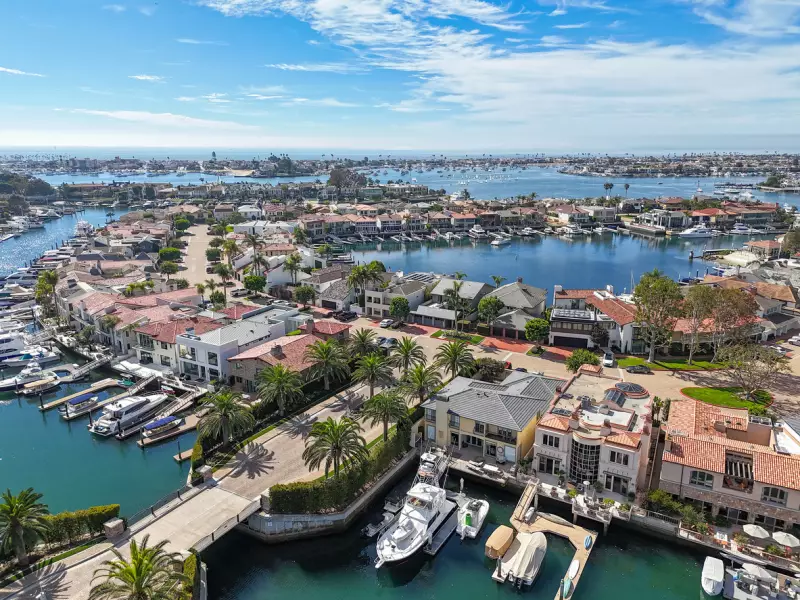
Tied for 9th position with Los Altos is ZIP code 92662, Newport Beach, California. Located in Orange County, the island ranks among the priciest areas with a median home price of about $5.1 million. This small island-focused area includes Balboa Island and Little Balboa Island, where waterfront homes, private docks, and walkable village-style streets create exceptional demand.
92067 - Rancho Santa Fe, CA
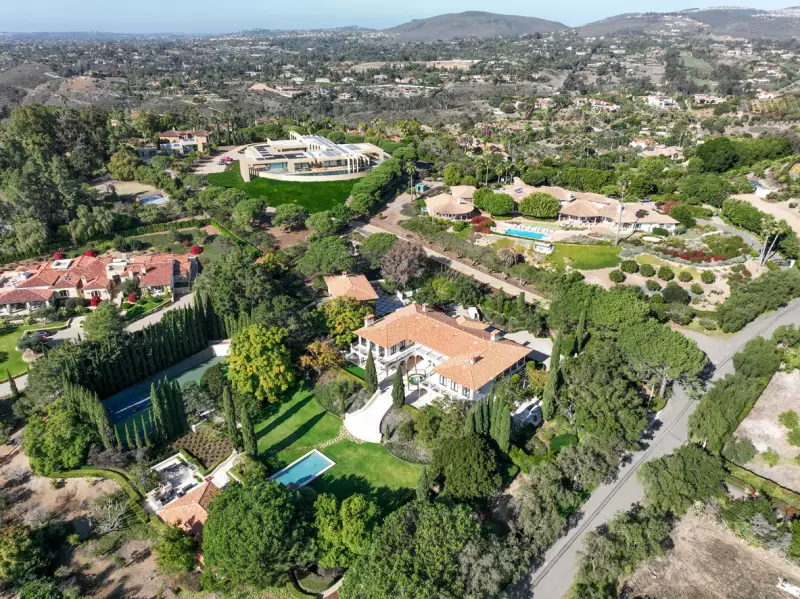
Located in San Diego County, Rancho Santa Fe's 92067 has a median home price of about $4.99 million. The area is known for its expansive estates, equestrian properties, and gated communities, all set on large, carefully planned parcels. Strict land-use rules preserve privacy and low density, while the combination of luxury amenities and spacious layouts keeps demand and prices exceptionally high.
90402 - Santa Monica, CA
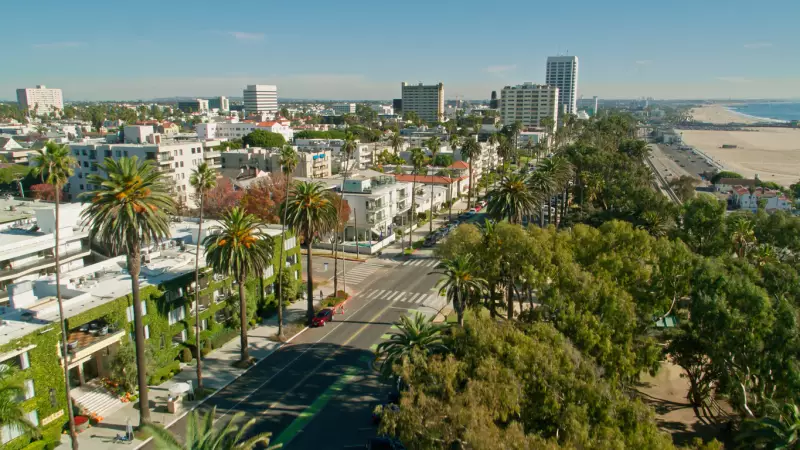
Located in Santa Monica, California, ZIP code 90402 has a median home price of around $4.86 million. This coastal area offers ocean views, walkable streets, and luxury homes ranging from historic properties to modern estates. Its proximity to the beach, high-end retail, and top-tier amenities keeps demand strong and prices elevated.
11975 - Wainscott, NY
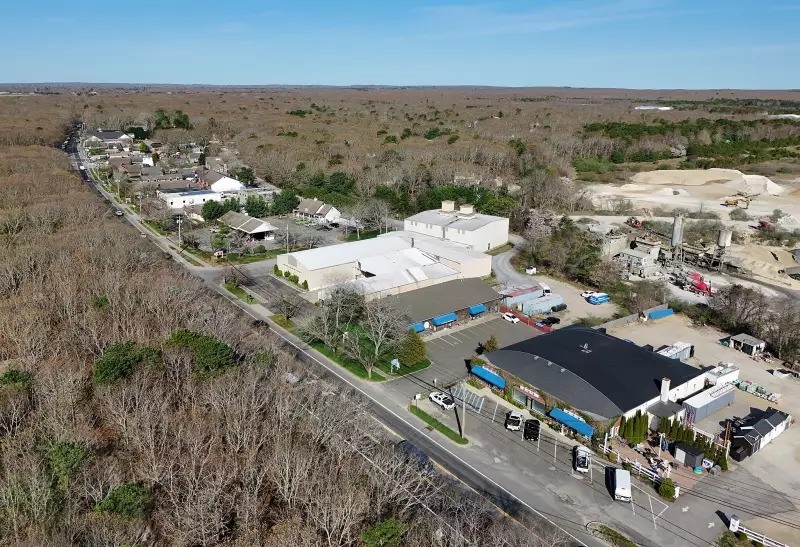
With a median home price of $4.5 million, Wainscott, New York, ranks among the nation's most expensive areas. The area is known for its large estate properties, coastal access, and preserved open space, creating a balance of privacy and rural appeal. Limited inventory, high seasonal demand, and proximity to East Hampton contribute to its consistently elevated housing values.
90210 - Beverly Hills, CA
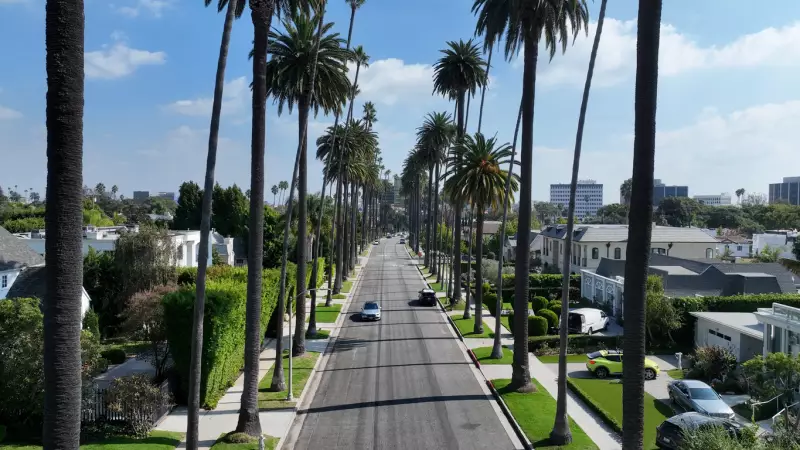
In 90210 in Beverly Hills, California, median home prices stand at about $4.35 million, supported by iconic estates, high-end homes, strong celebrity demand, world-class shopping, and top schools. Its status as an internationally recognized luxury market keeps competition high and inventory exceptionally scarce.
07620 - Alpine, NJ
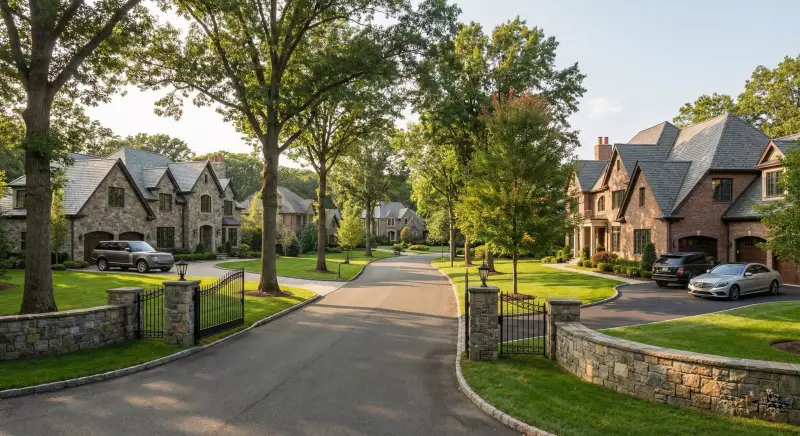
Alpine, New Jersey, located in Bergen County just outside New York City, is one of the priciest areas in the United States, with a median home price of about $4.35 million. The area is defined by spacious single-family estates, large wooded lots, and affluent suburban living that appeals to high-net-worth buyers seeking privacy and convenience.
Are the Same ZIP Codes Always the Most Expensive?
No ZIP code remains at the top indefinitely. Rankings shift over time as housing markets respond to economic cycles, migration patterns, interest rates, and changing buyer preferences. While some ZIP codes consistently rank among the most expensive due to long-term scarcity and local economics, their exact position can rise or fall from year to year.
Market cycles influence which ZIP code ranks as the most expensive. During periods of low interest and economic growth, demand tends to concentrate in coastal or globally connected areas. When rates rise or uncertainty increases, some high-priced ZIP codes may see slower sales or modest price declines, allowing other markets to move up.
ZIP codes tied closely to finance or tech hubs may climb rapidly during periods of strong job growth, but soften when those industries slow or when higher interest rates reduce buyer purchasing power. Similarly, the rise in remote work has reshaped demand, boosting prices in some coastal and resort communities while reducing pressure in certain urban cores.
Migration also plays a role. Areas that see increased inflows of high-income households may rise in the rankings, while ZIP codes experiencing slower demand or increased inventory may fall.
For example, Fisher Island (ZIP 33109) in Miami Beach became the most expensive ZIP code in the U.S. this year, surpassing Atherton after years of California dominance. Its median home price jumped about 65% year-over-year, securing its position at the top. Atherton, CA (94027), which held the 1st position for roughly 8 years, slipped to the 2nd position this year, even though prices remained high.
Real Estate Market Characteristics in Expensive ZIP Codes
Expensive ZIP codes tend to share a distinct set of market characteristics shaped by persistent demand, limited supply, and concentrated wealth. These factors affect not only home prices but also how properties are bought, sold, and used within these areas.
- Supply-Demand Imbalance: Many high-priced ZIP codes have a fixed or slow-growing housing supply due to geographic limits, such as coastlines and protected land, or restrictive zoning. When demand remains high, even small changes in buyer activity can produce large price movements.
- Limited Land Availability: In coastal or fully built-out suburban areas, there is little room for expansion. This pushes value towards existing properties and increases the importance of location and lot size in pricing.
- Luxury-Oriented Development Patterns: New construction, when it occurs, often targets the high end of the market: large single-family estates, high-end condominiums, or architecturally significant homes-rather than entry-level housing. This sustains high median prices and limits affordability.
- Buyer Demographics: Buyers are more likely to be high-income professionals, business owners, or retirees, often purchasing second homes. Cash purchases are more common, reducing sensitivity to mortgage rates and helping keep prices stable during market fluctuations.
- Price per Square Foot: Price per square foot is typically above national averages, reflecting both land value and premium finishes. Even smaller homes can command high total prices due to location rather than size.
- School Districts and Lifestyle Amenities: Highly rated schools, proximity to employment hubs, cultural institutions, recreation, and environmental features all support elevated demand and long-term value.
The consequence of expensive ZIP codes includes reduced affordability, limited access for middle-income households, and increased pressure on surrounding markets as buyers seek lower-cost alternatives. Over time, these dynamics can reshape regional housing patterns by concentrating wealth and pushing workforce housing farther from expensive city centers.
The most expensive ZIP codes in the United States remain costly because they combine strong and sustained demand with limited housing supply, shaped by geography, zoning constraints, and fully built-out neighborhoods. High household incomes, proximity to major employment centers, top-rated schools, and access to distinctive lifestyle amenities reinforce buyer interest over time. These areas also attract a larger share of cash buyers and second-home purchasers, which reduces sensitivity to interest rate changes.
Importantly, elevated prices aren't just about prestige; they reflect real market forces such as land scarcity, income concentration, and persistent demand. As these conditions evolve, rankings may shift, but the underlying dynamics that support high values tend to remain consistent.
Frequently Asked Questions (FAQs)
What is the richest ZIP code in America?
How many of the most expensive ZIP codes are in California?
Are expensive ZIP codes always luxury neighborhoods?
Do property taxes increase in high-priced ZIP codes?
How often do rankings of expensive ZIP codes change?
Is buying property in a high-priced ZIP code a good investment?

Martta Weiss is a property research specialist focused on improving transparency and access to U.S. real estate records. Her work centers on ownership history, recorded transfers, foreclosure activity, lien filings, and long-term market shifts, transforming complex public data into clear, actionable insights.
At PropertyRecords.com, Martta analyzes county and state property datasets to create research-driven content that helps investors, real estate professionals, homeowners, and everyday buyers better understand recorded property history and ownership trends nationwide.