The Fastest-Growing Housing Markets in the U.S. Right Now
The fastest-growing housing markets in the U.S. today reflect a mix of economic strengths, migration trends, and shifting household preferences. "Growth" in real estate doesn't refer to just one metric; markets can expand through rapid home price appreciation, increased population, strong migration inflows, or homes selling faster than the national average. Each of these indicators reveals something different about local demand and the pressure of places on housing supply.
Across the country, conditions vary widely. Some Sun Belt metros are growing due to steady job gains and attractive costs of living. Others in the Mountain West or Midwest are expanding due to lifestyle preferences, new industry clusters, or limited inventory that pushes prices up.
By looking at multiple types of growth rather than focusing on a single ranking, analysts and potential real estate investors can gain a clear view of market performance. This approach helps explain why certain markets are accelerating and what makes them outstanding in the current housing landscape.
How Do We Identify the Fastest-Growing Housing Markets?
Determining which housing markets are growing the fastest requires looking at several measurable indicators rather than relying on a single metric. Growth can show up in different ways, including:
- Year-over-Year Median Home Price Appreciation: When prices rise faster than the national average, it typically signals strengthening demand, limited inventory, or both. While price growth alone doesn't explain everything, it is a starting point for identifying momentum.
- Population and Migration Trends: Markets that attract new residents typically experience competition for housing, leading to rising prices and faster sales. In-migration from higher-cost states, job-related relocation, and regional lifestyle shifts all influence how quickly a market expands.
- Sales Velocity: It is the speed at which homes sell. When homes consistently go under contract faster than in prior years, it shows that demand is outpacing supply. Days on market (DOM) trends help reveal how competitive a market has become.
- Inventory Levels and Supply Changes: A shrinking supply of available homes, combined with steady or rising demand, often leads to faster appreciation and quicker sales. Conversely, a growing supply may indicate that demand is cooling or stabilizing.
Why Some Housing Markets Grow Faster Than Others
Housing markets rarely grow at the same pace because each region has its own economic conditions, population trends, and affordability levels. Several key forces help explain why certain metros expand more quickly than others, including:
- Job Opportunity: Regions with growing industries, such as technology, healthcare, logistics, manufacturing, or energy, tend to attract new workers. As employment expands, more households are created, which in turn increases demand for both rentals and homes for sale. Strong labor markets typically create steady competition for housing, leading to price appreciation and faster sales.
- Relative Affordability: Many fast-growing markets are located near higher-cost metros. When buyers are priced out of expensive cities, they typically move to nearby areas where homes are more affordable but still within reach of jobs and amenities. This pattern increases migration inflows and accelerates local housing demand.
- Quality of Life: Areas with more space, cleaner environments, good schools, and strong community amenities tend to draw households seeking long-term stability. As more people choose these locations for lifestyle reasons, housing demand increases naturally.
- Housing Supply Conditions: Markets that have struggled to build enough homes to meet demand typically see faster price growth. Limited land availability, zoning constraints, or slower construction activity can intensify competition for existing homes, causing markets to heat up more quickly.
- Migration Patterns: Both interstate and in-state migration play a major role in shaping housing market growth. Young adults, remote workers, and retirees all contribute to shifts in demand as they move towards areas that fit their budget and lifestyle.
- Cost of Living: Cost of living works alongside quality of life to shape market growth. Lower taxes, affordable daily expenses, and reasonable housing costs make certain markets appealing. In areas with limited inventory, even small increases in population can drive prices upward and intensify competition among buyers and renters.
Are the Fastest-Growing Markets Also the Most Expensive?
Fast housing market growth does not always mean high prices. In reality, fast-growing markets fall into two broad categories:
- Expensive metros that are experiencing additional demand
- Affordable areas that are growing quickly because buyers are seeking lower costs
Some of the country's most expensive markets, such as parts of coastal California or the Northeast, may see strong price appreciation where demand rises. These areas often grow because high-income industries attract new workers, creating competition even in markets where prices are already elevated. When supply is limited, even small increases in demand can push prices higher.
However, many of the fastest-growing markets today are not the most expensive. Instead, they are usually mid-priced or affordable regions experiencing rapid population growth and an increase in migration. Cities in the South and Midwest fall into this category. Growth in these areas is driven by lower living costs, job expansion, and more affordable land, making them attractive to both residents and newcomers relocating from higher-cost states.
For instance, an affordable metro may see home prices rise quickly because buyers from pricier cities can afford more there, pushing demand ahead of supply. Even after significant appreciation, these markets can remain less expensive than national coastal hubs.
The Fastest-Growing Housing Markets in the U.S. Right Now
Here are metros identified from recent market data as among the fastest-growing housing markets in the United States.
Toledo, OH
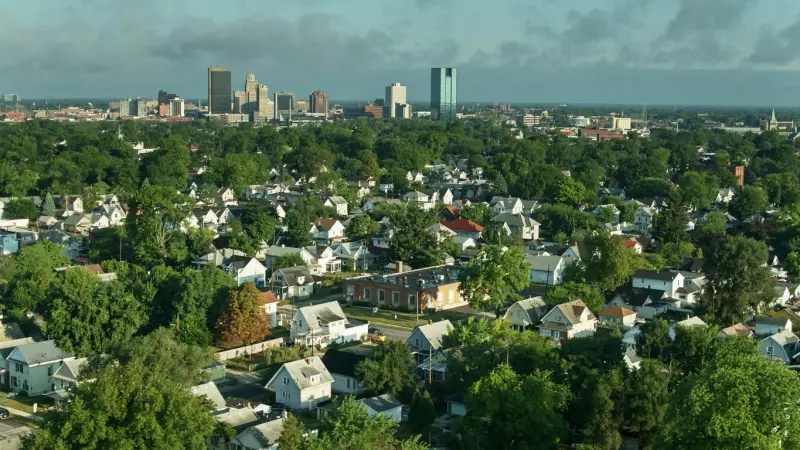
Toledo's housing market is among the fastest-growing in the Midwest, with a median home price of about $124,000, up 5.1% from the previous year. Homes typically go pending in about 9 days, with over 47% of sales occurring over the list price, signaling strong buyer competition. Toledo's growth is fueled by affordability relative to nearby metros, limited inventory, and steady local employment in manufacturing, healthcare, and logistics.
Harrisburg, PA
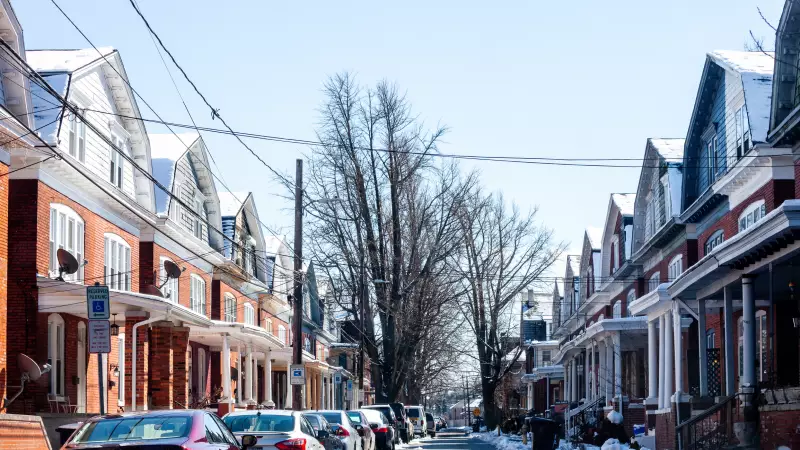
Harrisburg's housing market is growing rapidly, with the median home valued at $256,000, up 5.1% from the previous year. Homes typically spend about 10 days from listing to contract, reflecting high buyer demand. The metro's growth is driven by affordability relative to nearby larger cities, steady population inflows, and strong local employment in government, healthcare, and logistics. Almost 40% of homes sell above the list price.
Milwaukee, WI
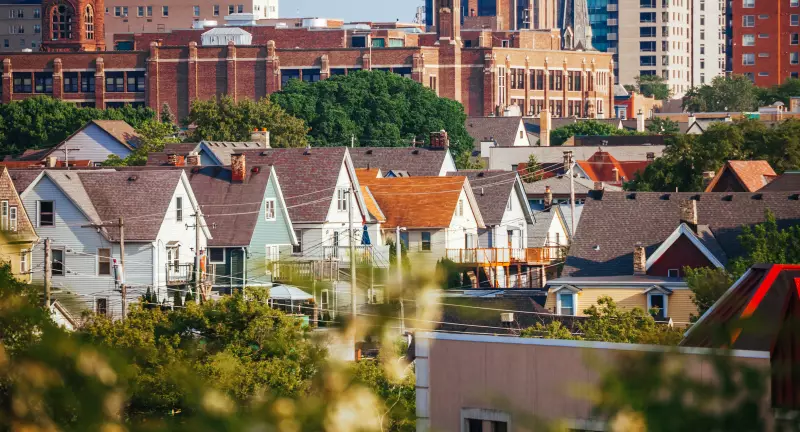
Milwaukee's housing market is growing steadily, with a median home price of around $232,000 and a year-over-year appreciation of over 4%. About 48% of homes sell above list price, and properties go from listing to contract in just 23 days, reflecting strong buyer demand. Growth is supported by improving wages, limited for-sale inventory in supply-constrained neighborhoods, and steady local employment in healthcare, manufacturing, and services.
New Haven, CT
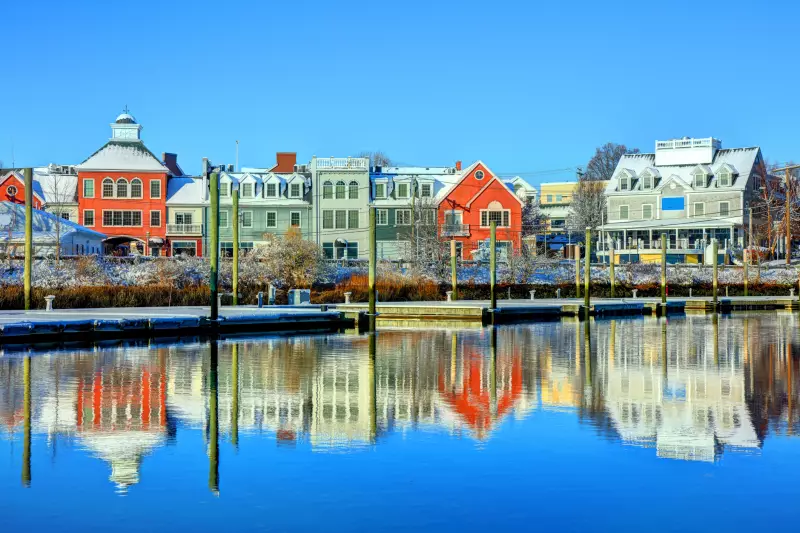
New Haven's housing market continues to grow quickly, supported by tight inventory, strong university- and healthcare-based employment, and demand from households priced out of nearby coastal metros such as NYC and Fairfield County. With a median list price of $314,000, up 3.9% year-over-year, and homes pending in just 11 days, New Haven's housing market shows steady price gains and fast-moving inventory, where buyer demand clearly exceeds available supply. More than 60% of sales close above the list price, indicating that demand is rising faster than listing prices can keep up.
Louisville, KY
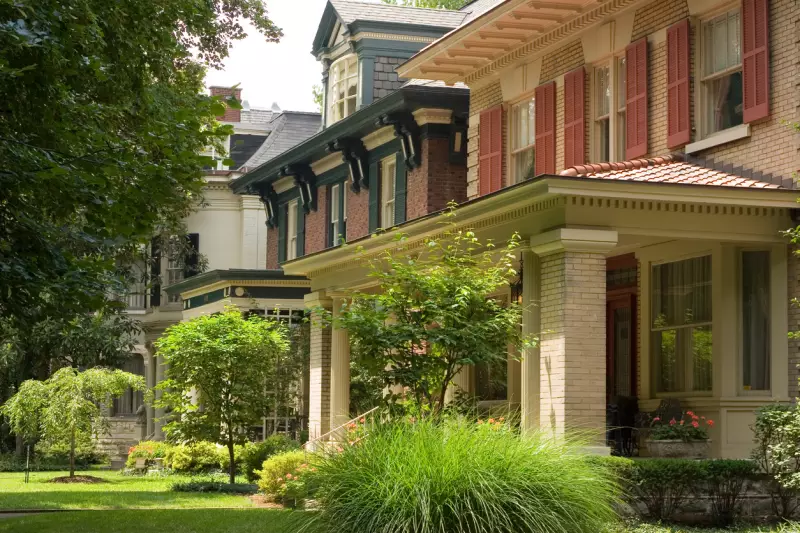
Louisville is emerging as one of the fastest-growing housing markets, supported by a median home price of $277,000 and 3.6% price growth within the past year. Homes move quickly, going from listing to contract in just 13 days, with over 29% selling above the asking price, showing strong competition.
The market's acceleration is driven by relative affordability, steady job growth in logistics, manufacturing, and healthcare, and in-migration from higher-cost regions. Limited inventory and demand consistently exceeding supply in popular neighborhoods also contribute to Louisville's fast-paced market.
Philadelphia, PA
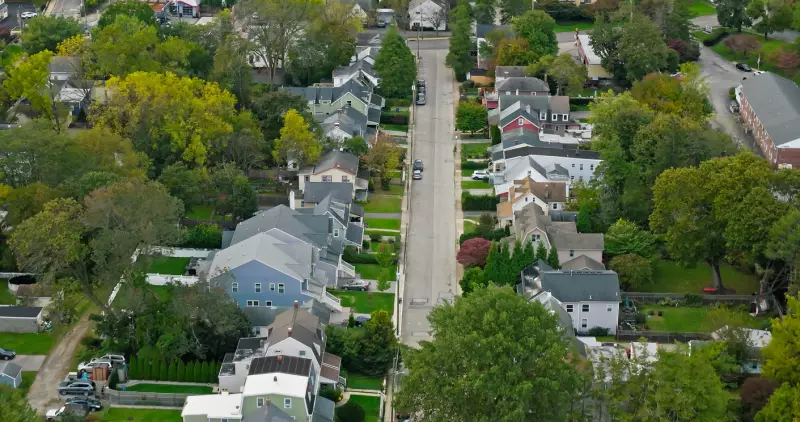
With a median list price of $272,000 and prices up 3.0% from the previous year, Philadelphia ranks among the fastest-growing housing markets. Homes go from listing to contract within 24 days, while over 25% of homes sell above the listing price, indicating that buyers are competing even in a large, mature market. Philadelphia housing growth is supported by strong local employment in education, healthcare, and professional services, as well as steady migration within the region.
Buffalo, NY
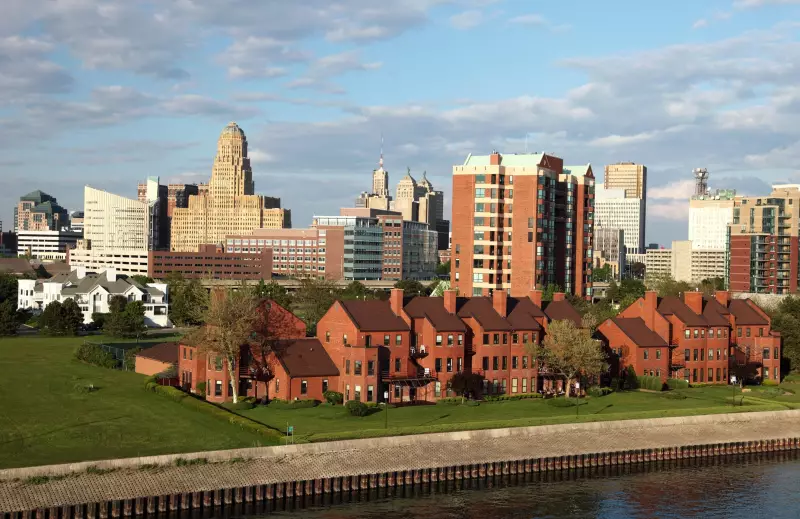
Buffalo ranks among the fastest-growing housing demand markets in the U.S. due to its combination of affordability, accelerating demand, and strong year-over-year price gains. Home values rose 3.6% over the last year, outpacing those in larger metros in the state. Homes are selling remarkably fast, going pending in just 12 days, far quicker than the national average.
Much of this momentum comes from Buffalo's improving job market, major downtown and waterfront development, and its affordability advantage over nearby metros like NYC and Boston. The median home price in Buffalo is about $254,000, with nearly three-quarters of homes selling for more than their original asking price.
Indianapolis, IN
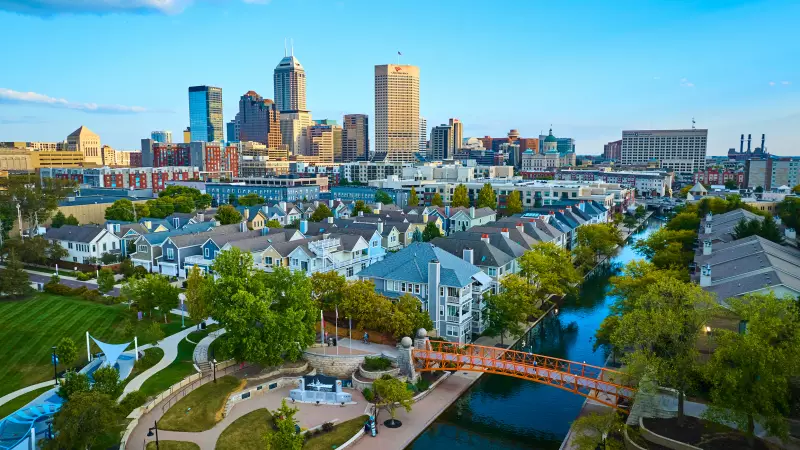
Indianapolis continues to rank among the fastest-growing housing markets, supported by steady in-migration, diversified employers, and comparatively affordable pricing. The median list price is around $250,000, offering an accessible entry point for buyers priced out of higher-cost metros. In Indianapolis, the median home takes about 20 days from listing to receiving an accepted contract.
Rochester, NY
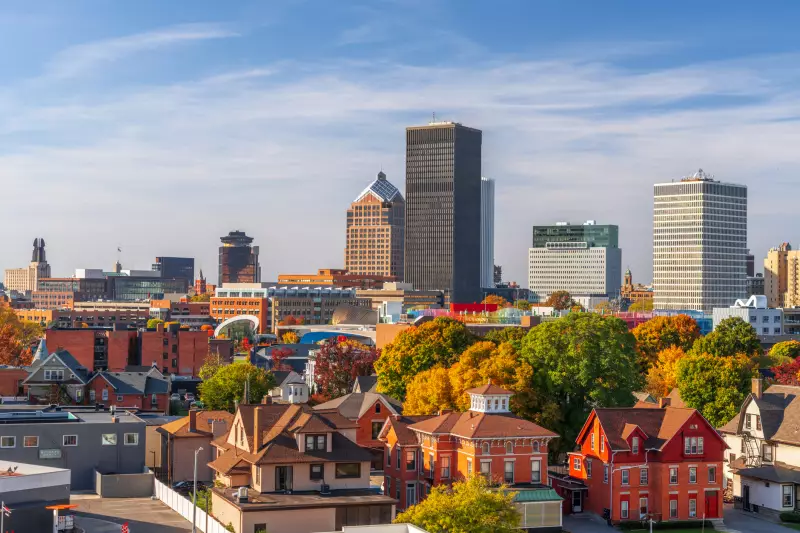
Rochester has become one of the fastest-growing housing markets in Upstate New York, driven by migration from higher-cost Northeastern metros and improving local economic stability. The median home price in the city is about $262,148, making it relatively affordable compared with many coastal markets.
Over the past year, Rochester has recorded about 2.7% year-over-year price growth. Homes also move quickly, with an average of just 9 days on market, reflecting tight inventory and strong buyer demand.
Hartford, CT
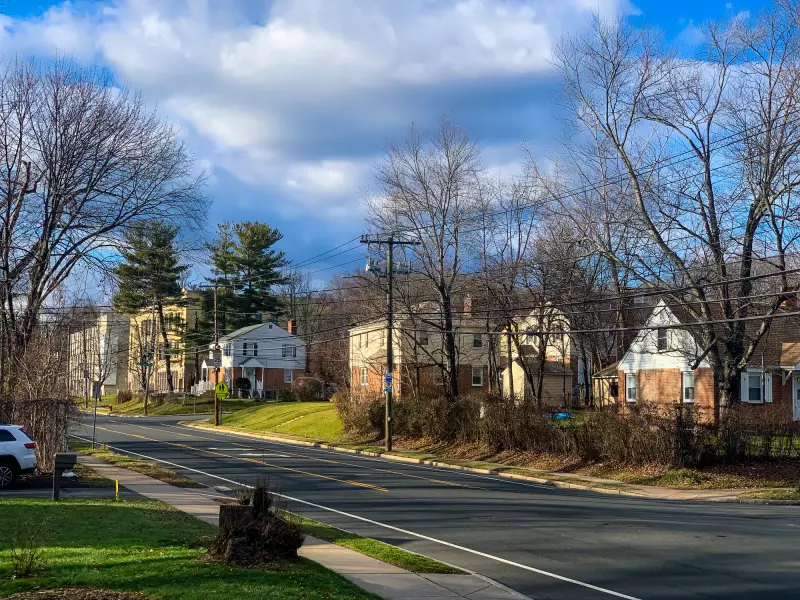
Hartford, Connecticut, stands out as a fast-growing market largely because it remains far more affordable than nearby Boston and NYC suburbs while still offering strong job centers in insurance, healthcare, and education. The median home price is about $252,000, and prices have risen roughly 7.3% over the past year. Limited inventory keeps competition high, with homes going under contract within 10 days on the market.
St. Louis, MO
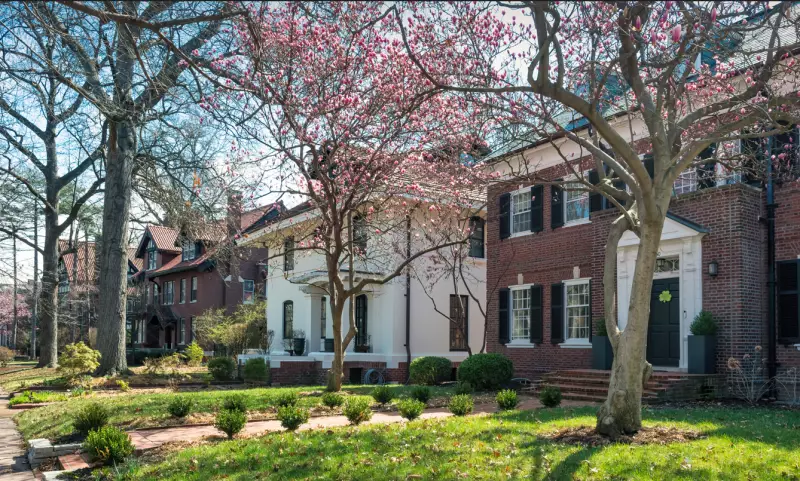
St. Louis ranks among the fastest-growing housing markets due to rapid sales velocity, affordability, and strong neighborhood-level demand. The median home price is around $218,000, making it more affordable than many neighboring metros. Over the past year, St. Louis home prices have risen 1.1%, while homes go from listing to contract within 12 days.
St. Louis' fast-growing housing market is anchored by a diversified but stable local economy and rapid sales in high-demand neighborhoods, which together drive strong price appreciation and sustained buyer competition.
Salt Lake City, UT
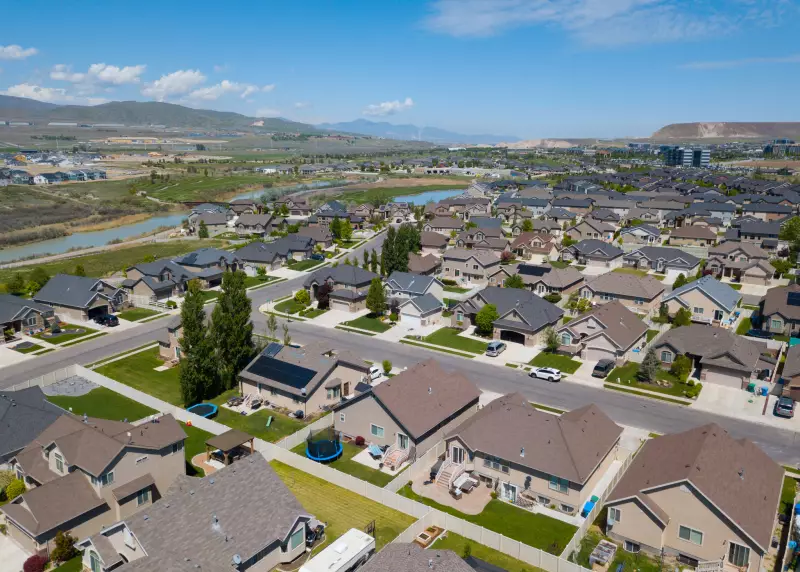
With a median home price of $597,000 and 1.8% annual price growth, Salt Lake City is showing steady upward momentum supported by solid buyer demand. Homes typically go pending in just 24 days, indicating that well-priced listings move quickly. The market's momentum is driven by rapid population growth, a booming tech and outdoor industry job base, and limited buildable land in the valley, which keeps inventory tight.
Minneapolis, MN
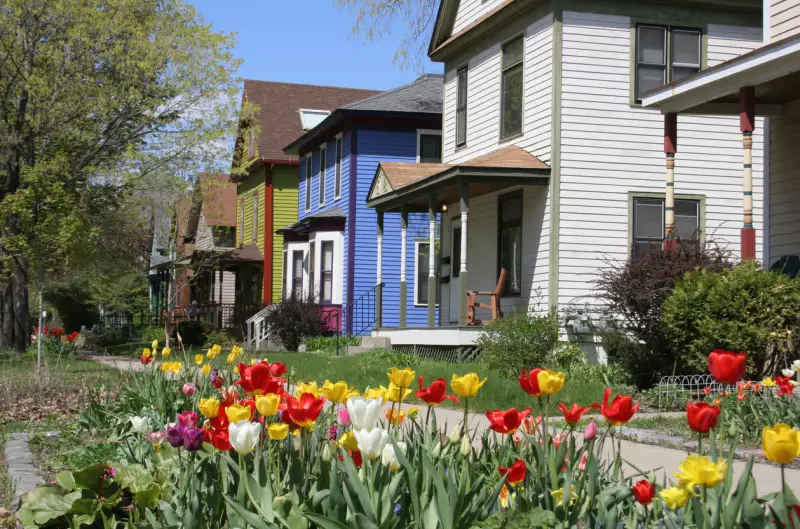
Minneapolis is a fast-growing housing market with a median list price of $326,000, up 2.1% from the previous year. Homes move quickly, going from listing to sale within 21 days. Additionally, over 46% of homes in the city sell above the asking price, reflecting stronger buyer competition. The market's growth is supported by diverse employment in healthcare, finance, and tech, a stable population with continued in-migration, and limited inventory in high-demand neighborhoods.
Grand Rapids, MI

Grand Rapids is a fast-growing housing market in the Midwest, with a median list price of $301,000, up 2.1% from the previous year. Homes sell quickly, going from listing to sale and then contract in just 9 days, while over 46% of homes sell above the listing price, highlighting strong competition in the metro. Growth in Grand Rapids is fueled by steady in-migration, diverse employment in healthcare, manufacturing, and education, and limited inventory in high-demand neighborhoods.
Cincinnati, OH
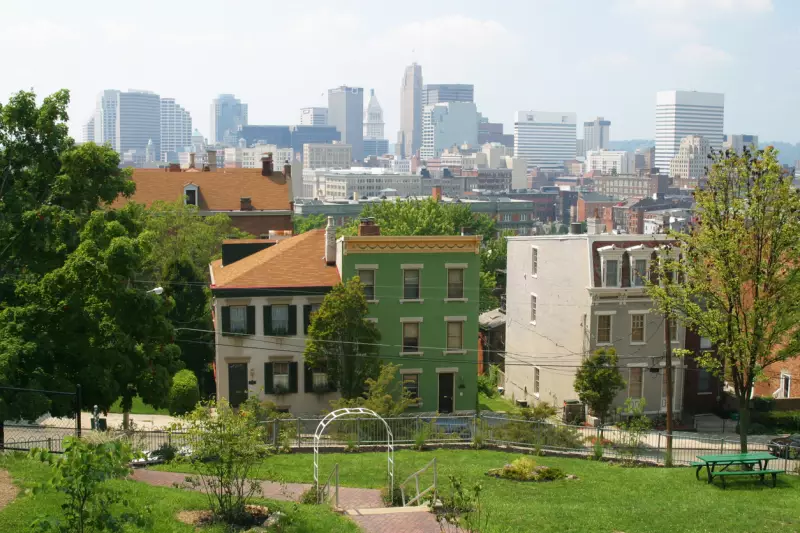
Cincinnati's housing market is gaining momentum, with a median list price of about $271,000 and a 1.5% year-over-year appreciation, reflecting steady but sustainable growth. Homes move more quickly, going pending in just 12 days, with over 34% of properties selling above the listing price. The city's growth is supported by affordable entry prices compared to nearby metros, a diverse employment base in finance, healthcare, and manufacturing, and neighborhood revitalization projects that attract new residents.
How These Markets Compare to the National Housing Market
The fastest-growing housing markets in the U.S. differ from the national average in several ways, highlighting why these metros stand out. The national median sales price sits around $426,800, with a typical annual appreciation of up to 1.7% and inventory levels up to 2-3
months. In contrast, many of the fastest-growing metros show faster-than-average price gains, shorter times on market, and heightened demand relative to supply.
For example, metros like Toledo, Milwaukee, and Harrisburg have recently experienced median home price growth exceeding 3% year-over-year, outpacing the national average. At the same time, inventory in these areas often sits well below the national median, with homes moving faster due to high local demand or in-migration from more expensive regions.
Population and migration trends also separate these markets from typical U.S. conditions. Many fast-growing metros benefit from steady in-migration, typically from higher-cost coastal cities, which puts additional pressure on prices and accelerates sales. Meanwhile, the national market includes slower-growing regions, particularly in parts of the Midwest and rural areas, where price appreciation is more modest, and inventory is less constrained.
Market Characteristics Seen in Rapidly Growing Metros
Rapidly growing housing markets tend to share several observable characteristics, which help explain why they expand faster than the national average.
- Homes Selling Above List Price: In markets with strong demand and limited inventory, buyers often compete for the same properties. This drives up the final sale prices above the original listing.
- Shorter Days on Market: Homes in fast-moving metros frequently sell in a matter of weeks or sometimes days, compared with the national average of 60 to 90 days. This rapid turnover indicates active buyer engagement and typically correlates with other factors such as job growth, in-migration, or regional lifestyle appeal.
- Bidding Competition: Multiple-offer situations arise when inventory is low, and buyer demand is concentrated, particularly for properties in desirable neighborhoods or price brackets. These conditions typically encourage buyers to act quickly and can accelerate overall market velocity.
- Strong Investor Activity: Investors, including institutional and individual buyers, are drawn to markets where home values are appreciating, and rents are strong relative to purchase prices
- Limited New Construction: In rapidly growing metros, new housing supply is lagging behind demand. This constrained supply amplifies price gains for existing homes, particularly in smaller markets where the baseline number of homes for sale is already modest.
The growth of U.S. housing markets is fluid and shaped by a combination of economic conditions, population trends, and housing supply. Markets with strong job diversity, rising migration, and limited inventory tend to see the fastest appreciation, while others grow more slowly. Percentage gains are often largest in lower-cost metros, where modest price increases translate into significant growth.
Investor activity, bidding competition, and rapid turnover amplify these trends, but they can shift if local economies or supply conditions change. Understanding these underlying drivers helps explain why some markets outperform the national average and highlights that housing growth is dynamic, localized, and closely tied to broader economic and demographic factors.
Frequently Asked Questions (FAQs)
What is the fastest-growing housing market in the U.S. right now?
Are fast-growing markets good for buyers or investors?
Do home prices always rise in fast-growing markets?
Why do some cities cool down after rapid growth?
How often do housing market rankings change?

Martta Weiss is a property research specialist focused on improving transparency and access to U.S. real estate records. Her work centers on ownership history, recorded transfers, foreclosure activity, lien filings, and long-term market shifts, transforming complex public data into clear, actionable insights.
At PropertyRecords.com, Martta analyzes county and state property datasets to create research-driven content that helps investors, real estate professionals, homeowners, and everyday buyers better understand recorded property history and ownership trends nationwide.